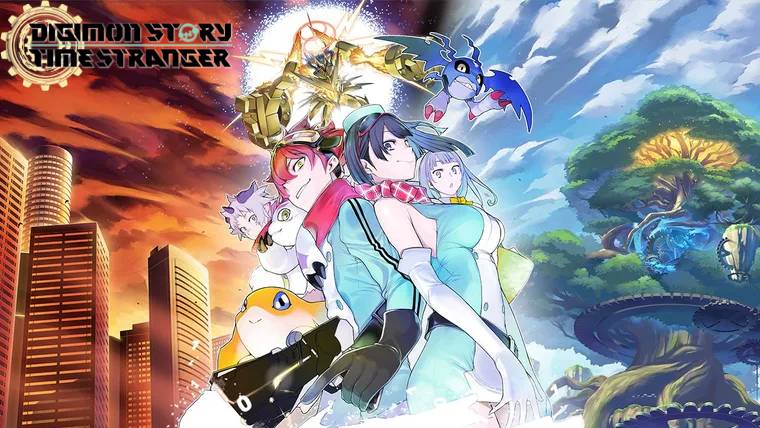
All Game, No Filter

“Saving thoughts on everything I play.”

  • Image Credit: Steam Store

    Playtime: ~40 hours
    Completion: Story finished
    Platform: PC
    Genre: Turn-Based RPG, Monster Collecting
    Final Score: ★★★★☆ 8/10


    🧠 First Impressions

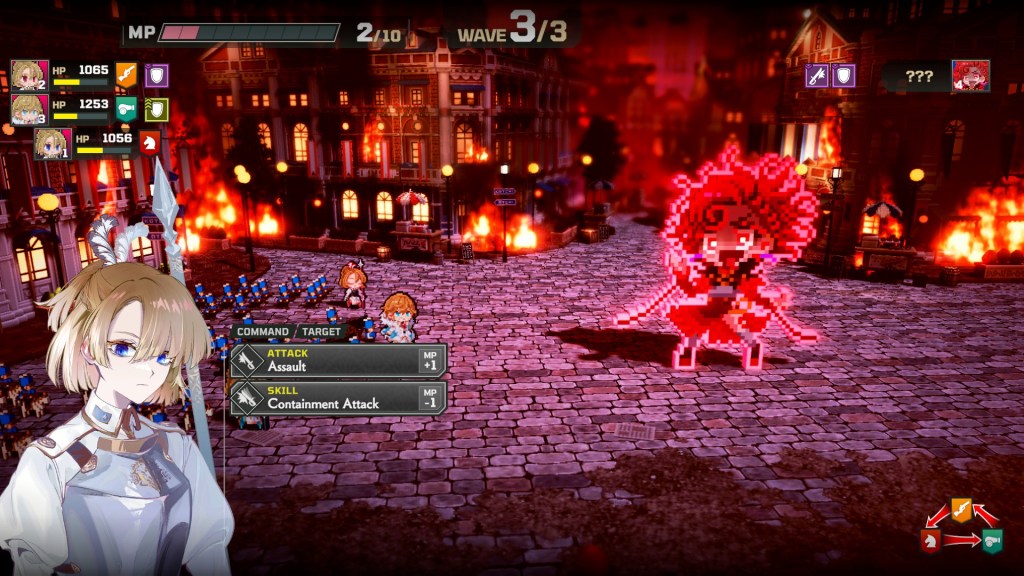
    I don’t believe it — a game made with Unreal Engine 5 that actually runs smoothly. In 2025, that’s headline news by itself. Digimon Story: Time Stranger feels like the game Pokémon fans have been begging for. It’s essentially Shin Megami Tensei with Digimon

    Right from the start, it nails that nostalgic yet fresh balance. This isn’t just a nostalgia cash-in; it’s a legitimate RPG that respects its mechanics, performance, and players’ time.


    ⚙️ Gameplay & Progression

    The gameplay is solid and satisfying — your classic rock-paper-scissors elemental system with Fire, Water, Nature, and much more elements in the interplay. It’s easy to pick up the game. The hardest part begins when you can start crafting different team compositions.

    That rhythm of scanning, evolving, and swapping Digimon never gets old. Battles move quickly, flashy enough to keep you engaged without wasting time. Turn order, combo attacks, and buffs create a genuine layer of strategy, and once your team clicks, it scratches that classic RPG itch perfectly.

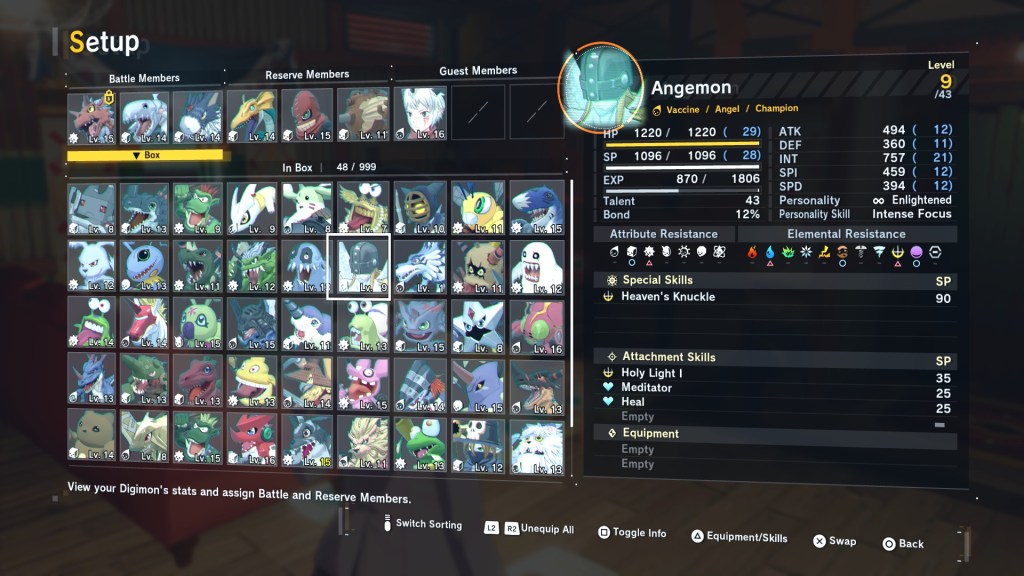
    It’s not reinventing the wheel, but it doesn’t need to. Time Stranger delivers that loop of discovery and evolution that every monster battler dreams of.


    🎨 Graphics & Animations

    Visually, this game pops. Unreal Engine 5 brings crisp textures, soft lighting, and smooth performance. Everything feels clean and colorful — modern without losing the series’ Saturday-morning charm.

    Watching the cutscenes where the Digimons digivolve mid-battle never stops being satisfying. The transformation sequences look fantastic without dragging on, and special attacks hit with real impact. It’s a treat to watch your team come alive in motion.


    🦖 Digimon Variety

    The roster is impressive — way more Digimon than expected. Building teams feels like collecting your childhood dream lineup all over again. There are still some odd absences (you’ll notice a few favorites missing for no clear reason), but overall the selection gives you plenty of room to experiment with builds and tactics. I particularly got nostalgic when I saw most of the Digimons from the first one I played on my Nintendo DS.


    ✍️ Story & Dialogue

    Here’s where the gears start grinding. The story is fine — serviceable, not offensive — but your player character might as well not exist. You’re a silent shadow tagging along while the operator and Aegiomon carry every conversation. It becomes The Inori & Aegiomon Show, while you quietly stand there like an unpaid intern.

    There’s no emotional connection to anything you do, and by the end, you’re left wondering why you were even invited to this adventure. Well atleast you were invited for a reason but why spoil all the story just to answer that question.


    🌿 Digifarm Management

    Ah, the Digifarm — a feature that’s equal parts genius and headache. It’s fantastic for passive training and stat growth, but actually managing it is tedious.

    You can’t check Digivolutions for Digimon currently stationed in the farm without removing them first. Feeding them requires the same animation over and over again, and it’s honestly torture after the 20th repeat. One simple “Feed All” button would fix it instantly.
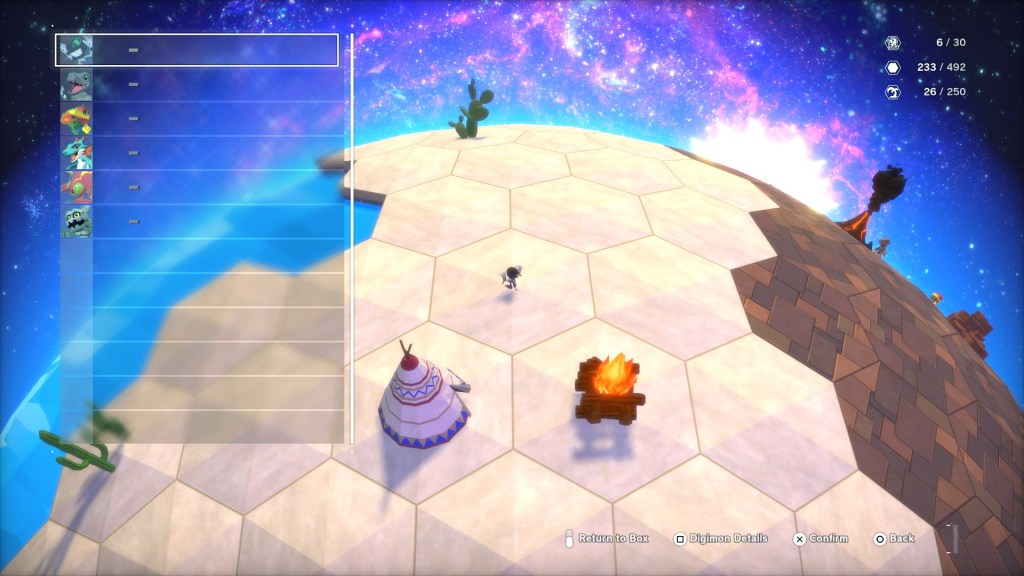
    Still, when it works, it’s rewarding. Watching your little monsters evolve from the sidelines while you explore the digital world gives a nice sense of progression — it just needs a serious quality-of-life patch.

    I did not used the Digifarm at all during my gameplay as just the sheer amount of leveling up your rooster and backups get is enough to get tons of good ultimate, mega, and mega+ when the time comes to digievolving.


    🌍 Character & World-Building

    Pretty much nonexistent. The world looks pretty, but it feels rushed. Outside of the main story missions, you don’t get much sense of who these people are or why they matter. There’s almost no meaningful side content or character bonding, which is a shame given how well the gameplay side performs.


    📝 Category Breakdown

    • Gameplay Loop: 9/10 – Fast, tactical, and addictive.
    • Graphics & Performance: 9/10 – Smooth Unreal Engine 5 experience, shockingly well-optimized.
    • Story & Characters: 5/10 – Competent writing wasted on a hollow protagonist.
    • Digifarm System: 6/10 – Great idea, poor execution.
    • Variety & Content: 8/10 – Big roster and plenty of evolutions to chase.

    ✅ Final Verdict

    Digimon Story: Time Stranger won me over. It’s not perfect, but it’s easily one of the most enjoyable Digimon RPGs in years. The gameplay, visuals, and roster carry the experience, while the lack of character depth and Digifarm tedium hold it back from greatness.

    If you’ve ever wanted Pokémon gameplay with a bit more bite — this is it. It’s stylish, fast, and surprisingly polished for an Unreal Engine 5 title.


    🔥 Clay’s Take

    This game honestly shocked me. It’s fun, it runs beautifully, and it respects the player’s time — something Game Freak should take notes on. The story may fall flat, but the gameplay loop more than makes up for it.

    If you’re a Digimon fan, you owe it to yourself to give Time Stranger a go. For once, “Digimon > Pokémon” doesn’t sound like a meme.

    Final Score: ★★★★☆ 8/10


  • Image Credit: Steam Store

    Playtime: ~14 hours
    Completion: Finished
    Platform: PC
    Genre: Visual Novel / Strategy / Otome twist
    Played/Reviewed: September 2025
    Final Score: ★★★☆☆☆ 6.5/10


    🧠 First Impressions

    I expected The Great Villainess Strategy of Lily to be another lighthearted “villainess otome” romp where you romance your way out of doom. Instead, I got a blend of sharp comedy, branching intrigue, and tactical scheming. The opening throws you into Lily’s shoes, and she’s done playing the role of designated villainess. She’s here to rewrite her fate, outwit rivals, and maybe crown herself queen of the court.

    The hook is strong: satire mixed with strategy. You’re not just reacting to story beats—you’re actively plotting them.


    ⚙️ Gameplay & Progression

    The game wears two hats: visual novel and strategy-lite. While dialogue drives most of the narrative, the influence mechanics add weight to your decisions.

    • Influence & Schemes: Win over allies, spread rumors, or sabotage rivals. Every choice shifts the delicate balance of court politics.
    • Ally System: By carefully playing the social chessboard, you can recruit every potential ally for a united front—leading to the “happiest” ending, which took me about 14 hours.
    • Dark Routes: On the other end, you can skip diplomacy entirely. One infamous path lets Scarlet and Lily cut loose, murdering their way through the nobility. It’s hilariously grim and shows how flexible the narrative really is.
    • Replayability: Multiple endings—from romance-heavy, to political domination, to all-out bloodshed—encourage at least a second run.

    This duality (peaceful schemer vs. gleeful destroyer) is what gives the game its charm.


    🎵 Music, Art, and Atmosphere

    The art direction is polished and pastel-rich, with opulent ballrooms, lush gardens, and expressive character sprites. Event CGs pop with detail, though standard poses repeat often.

    The soundtrack leans into string ensembles and harpsichord pieces, setting the aristocratic mood. It fits the setting but tends to loop often—after a dozen hours, it fades into background noise.


    ✍️ Story & Dialogue

    The satire is sharp, and Lily’s snarky monologues steal the show. The writing skewers standard “heroine vs. villainess” clichés, reframing them into a power struggle that’s more Game of Thrones-lite than fluffy otome.

    • Best writing: Lily plotting circles around her “fated rival” while internally mocking her.
    • Weak points: Certain romance routes feel rushed, especially compared to the intrigue-heavy mainline.
    • Surprise standout: Scarlet’s storyline. She’s a perfect foil—wild, chaotic, and the only one who makes the “kill-everyone” route plausible (and entertaining).

    The dialogue does drag at times, but the payoff in the big moments—alliances, betrayals, executions—makes it worthwhile.


    📝 Category Breakdown

    • Gameplay Mechanics: 6.5/10 – Unique strategy layer, but not very deep.
    • Story & Characters: 7/10 – Clever satire with uneven pacing.
    • Art & Music: 7/10 – Gorgeous CGs, repetitive soundtrack.
    • Replayability: 7/10 – “All allies” vs. “bloody solo run” makes replays tempting.

    ✅ Final Verdict

    The Great Villainess Strategy of Lily takes a familiar otome trope and cranks it into something more playful, devious, and sometimes shockingly dark. Whether you spend 14 hours charming every noble into your corner for the happiest ending, or torch the court in a Scarlet + Lily murder spree, the game gives you freedom to define your villainess fantasy.

    It doesn’t have the deepest mechanics or the smoothest pacing, but the sheer personality makes it stand out.


    🔥 Clay’s Take

    I went all-in for the “perfect happy ending,” gathering every ally and watching Lily flip her doomed fate into triumph. It was worth the time—but honestly? My favorite run was the Scarlet + Lily “scorched-earth” route. Nothing screams villainess power fantasy quite like wiping the court clean with your partner-in-crime.

    If you’re into witty villainess satire with a strategic twist, this one is worth the ride. Just don’t expect a flawless VN/strategy hybrid.

    Final Score: ★★★☆☆☆ 6.5/10

  • Image Credit: Steam Store

    Playtime: ~4 hours
    Completion: Story finished
    Platform: PC
    Genre: Cozy Simulation, House Design
    Final Score: ★★★☆☆ 6/10


    🧠 First Impressions

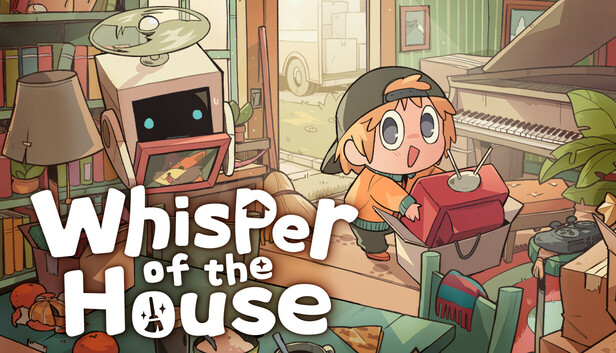
    Welcome to Whisper Town—a place that looks like a cozy decorating game on the surface, but quickly reveals itself as something more. At first glance, Whisper of the House feels like a charming mix of Animal Crossing and Unpacking: you tidy clutter, decorate homes, and collect adorable furniture with the help of a cheerful little robot. But the longer you play, the more you realize this town has secrets buried beneath its warmth.

    The vibe is immediately soothing. Every room you clean up and decorate feels like a puzzle, but not one that stresses you out—more like putting things into their “true” place. And then you notice it: a photo tucked under a bed, a strange number above a museum, or tentacles creeping through cracks in the floorboards. Suddenly, the cozy game has a hint of mystery you didn’t expect.


    ⚙️ Gameplay & Progression

    At its heart, Whisper of the House is about decorating, organizing, and storytelling through objects. The gameplay loop is simple but addictive:

    • Tasks & Rewards: Move into new homes, organize cluttered rooms, prepare shops, or help townsfolk with quirky requests.
    • Furniture Collecting: With over 1,800 pieces to collect, you can style a house however you like—from a minimalist reading nook to a doomsday shelter stacked with supplies.
    • Freedom of Design: Wallpapers, flooring, and select furniture can be recolored and retextured to perfectly match your aesthetic.

    The best part? Items aren’t just static—they react to you. Tap the drums, run the sink, squeeze the rubber duck, pull a tissue from the box… it gives every room a playful sense of life.

    But while decorating and tidying is satisfying, the pacing isn’t perfect. Tasks sometimes feel repetitive, and story clues can be buried under too much “fetch-and-place” busywork.


    🎵 Music, Art, and Atmosphere

    The art style leans into soft, cozy tones with a painterly look that makes every object feel tactile. Whisper Town feels alive not just through visuals, but also through sound design. Many items have custom effects—pressing a gramophone button spins up a melody, while flipping on a lamp gives off a soft hum.

    The soundtrack is gentle and melodic, perfectly suited for background relaxation. But just like the gameplay, there are moments where it shifts—faint whispers, eerie notes, and atmospheric touches hint at the mysteries lurking in the background.


    ✍️ Story & Dialogue

    At first, the story is almost invisible—you’re just decorating rooms and helping people tidy up. But every item has a history, and slowly, Whisper Town starts to open up. A forgotten diary, a garden with something buried, an alchemy workshop left abandoned… these details weave into a larger, interconnected mystery.

    The writing is subtle but effective, though the payoff doesn’t always match the build-up. Some threads resolve neatly, while others feel left hanging—like the game whispers secrets it never quite lets you uncover.


    📝 Category Breakdown

    • Cozy Factor: 9/10 – Relaxing and charming.
    • Customization: 8/10 – Tons of furniture and recoloring options.
    • Story Integration: 6/10 – Interesting, but not always fully developed.
    • Atmosphere & Music: 8/10 – Cozy with just the right amount of eerie touches.
    • Replay Value: 5/10 – Fun to tinker, but limited once the novelty fades.

    ✅ Final Verdict

    Whisper of the House is cozy, playful, and surprisingly layered. It’s a love letter to tidy spaces and the quiet stories objects can tell, but it doesn’t always land its emotional or mysterious beats. The decorating is satisfying, and the secrets are intriguing, but after a few hours, repetition creeps in and dulls the shine.

    It’s a warm, short, and somewhat uneven journey—worth a look if you love cozy sims, but not a must-play.


    🔥 Clay’s Take

    This was a neat little detour. The robot companion is cute, the decorating loop is calming, and the whispers of mystery gave me just enough to stay curious. But at the end of the day, it didn’t fully stick the landing. I had fun for a few hours, but I don’t see myself coming back.

    Final Score: ★★★☆☆ 6/10


  • Image Credit: Steam Store

    Playtime: ~2 hours (Demo)
    Completion: Finished demo content
    Platform: PC (Steam)
    Genre: Rhythm- Action, Rhythm, Beat’em up
    Played/Reviewed: September 2025
    Final Score: ⭐⭐⭐⭐☆ 8.0/10


    🧠 First Impressions

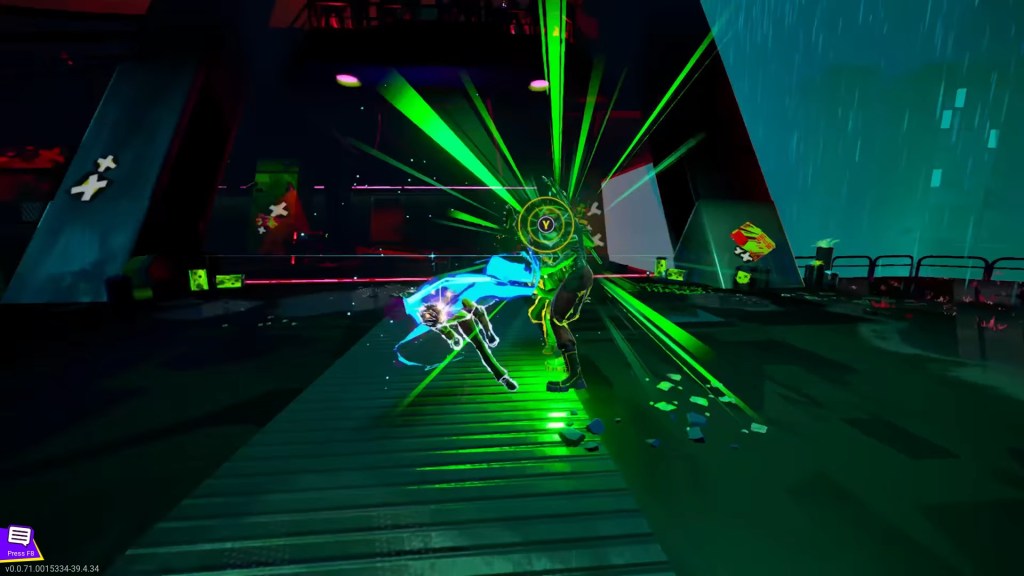
    Dead as Disco isn’t here to hand you a gun — it hands you a pair of fists and dares you to keep up with the beat. From the moment the neon lights flash and the first bassline drops, the demo makes its pitch clear: this is a rhythm-driven martial arts game, where every jab, kick, counter, and finisher is chained to the music.

    Even in demo form, the vibe is infectious. Imagine if Crypt of the NecroDancer and Sifu had a baby, then raised it on funk, disco, and grindhouse flicks — that’s the groove here.


    ⚙️ Gameplay & Progression

    The combat is all about timing, but not in a punishing way — the game rewards staying on beat rather than slapping you for slipping.

    • Attacks: Punches and kicks feel weighty when you land them on the beat. If you swing off-beat, you won’t get punished directly — no dropped inputs, no clunky delays — but you’ll lose your beat counter, which is the main score multiplier. That subtle pressure to stay in rhythm makes fights feel smooth but challenging.
    • Finishers: Perfectly chained combos trigger flashy finishers that feel like disco martial arts poetry, flowing naturally into the soundtrack.
    • Counters: Enemies telegraph their attacks in rhythm, and nailing a block or parry on the beat turns defense into a stylish dance move. It’s satisfying in the way only a rhythm fighter can be.
    • Flow: When you’re synced, you don’t just fight — you perform. Fall out of rhythm and the whole thing collapses, but that tension keeps you locked in.
    • Grapples: A hidden gem — the tutorial doesn’t even explain it — but the grapple mechanic lets you zip across huge distances, saving combos that would otherwise fizzle out from slow movement. It adds a clever layer to positioning.
    • Fever Attacks: By filling the fever bar, you unlock a fever mode that temporarily lets you strike faster than normal. It’s risky, since it changes your timing window, but when used well it’s incredibly powerful.

    Demo Gameplay:

    The demo doesn’t show much progression yet, but you can easily imagine how deeper movesets, new finisher variations, and tougher enemy patterns could push this into a full-on rhythm brawler with serious replayability.


    🎵 Music, Art, and Atmosphere

    • Music (9/10): The soundtrack is the lifeblood. Funk and disco beats keep you engaged, with every hit sounding better when it lands on tempo. The game is its music.
    • Art (8/10): Neon palettes meet grindhouse grime. It’s funky, eerie, and cinematic, with each stage feeling like a martial arts dance floor.
    • Atmosphere: The disco-horror mashup works. Between the pulsing lights, exaggerated enemy designs, and stylized finishers, it’s equal parts groovy and unsettling.

    ✍️ Story & Dialogue

    The demo teases a setting but doesn’t go deep. It’s more about tone than narrative for now — a psychedelic world where martial arts and music are inseparable. It feels campy in the best way, like a cult film you’d discover at midnight on VHS.


    📝 Category Breakdown

    • Gameplay: 8/10 — Sharp martial arts combat with rhythm-based depth.
    • Music: 9/10 — Funk-fueled and essential to the flow.
    • Art: 8/10 — Stylish neon grindhouse aesthetic.
    • Story (Demo): 6/10 — Promising, but light so far.
    • Overall: 8.0/10 — A demo that already has both groove and grit.

    ✅ Final Verdict

    Even as a demo, Dead as Disco shows tons of promise. The concept works — martial arts blended with rhythm gameplay feels both fresh and natural. It’s challenging, stylish, and satisfying in equal measure.

    If the full game expands on movesets, enemy variety, and progression systems, this could carve out its own niche in both rhythm and action gaming.


    🔥 Clay’s Take

    I went in expecting a rhythm gimmick, but came out hooked on the flow. Timing a counter on the beat never got old, and finishers feel so slick they might as well be part of the soundtrack.

    Score: 8/10 — Funky fists, stylish kicks, and a rhythm all its own.


  • Image Credit: Nihon Falcom

    Playtime: ~ 45 – 100 hours
    Completion: Finished main story
    Platform: Steam Deck / PC
    Genre: JRPG, Turn-Based, Story-Rich
    Played/Reviewed: 2024 (Played) / September 2025 (Reviewed)
    Final Score: ⭐⭐⭐⭐⭐ (9.5/10)


    🧠 First Impressions

    Where Trails from Zero laid the groundwork, Trails to Azure builds a cathedral. This second entry in the Crossbell arc doesn’t just continue the story — it expands it in scope, intensity, and emotion.

    From the very first chapter, Azure reminded me of Sky SC: tighter pacing, bigger twists, and a creeping sense that every character hides a mystery. The SSS returns stronger, more confident, and with a city that finally acknowledges their worth. By the time the credits rolled, I felt like I had experienced a full JRPG climax — the kind that only Falcom seems to deliver.


    ⚙️ Gameplay & Progression

    • Combat (8/10): The core system is the same as Zero, but with the brilliant addition of the Burst system — a mechanic that lets you unleash full-team advantage when the gauge fills. It can turn the tide in seemingly hopeless battles, especially on higher difficulties.
    • Master Quartz: Azure introduces Master Quartz, which radically improves customization. It gives each character unique passives and skills, encouraging experimentation and some truly broken builds if you want to push the system.

    Image Credit: Nihon Falcom

    • Difficulty: Depending on your settings, Azure can be punishing. Some boss fights feel stacked against you, forcing clever Quartz setups and tactical patience. I found myself sweating more than once, but the payoff was worth it.
    • Exploration: Crossbell is even more alive here, with familiar areas expanded and NPCs you’ve grown to know across two games hitting new story beats. It feels like the city grew with the SSS.

    🎵 Music, Art, and Atmosphere

    • Music: Here’s where I’m mixed. The soundtrack is competent — battle themes like “Surely Someday” stand out — but overall, it doesn’t quite hit the emotional highs of the Sky trilogy. Zero and Azure lean harder on combat-driven tracks, and while they fit the mood, I didn’t find myself humming them after logging off.
    • Art (9/10): The occasional splash illustrations blew me away. Falcom knows when to drop a piece of art mid-scene to amplify impact, and Azure’s climactic moments hit hard because of it.
    • Atmosphere: Crossbell evolves here — the stakes aren’t just personal, they’re national. The city feels like a powder keg between Erebonia and Calvard, and every back alley, skyscraper, and underground base pulses with tension.

    ✍️ Story & Dialogue

    • Story (10/10): Azure’s narrative is near flawless. It reminded me of Sky FC and SC with its twists and careful character reveals, but on an even grander scale. Where Zero felt like groundwork, Azure is the payoff — a political thriller, character drama, and emotional rollercoaster all rolled into one.
    • Characters: Lloyd grows further into his role as leader, while Elie, Randy, and Tio shine with personal arcs. NPCs from Zero get bigger roles, making the world feel consistent and lived-in. My only gripe? Elie’s arc could’ve been fleshed out more — too often she’s relegated to “support for Lloyd” when she deserved her own spotlight.
    • Execution: The writing ties Crossbell’s fate into the larger Trails universe beautifully. You can feel how these games bridge Sky’s small-scale mystery and Cold Steel’s sweeping empire drama.

    📝 Category Breakdown

    • Combat: 8/10 — Burst system and Master Quartz add depth, but difficulty spikes can frustrate.
    • Story: 10/10 — Fantastic narrative, emotional twists, and political intrigue.
    • Art: 9/10 — Gorgeous splash art and a world that feels alive.
    • Music: 7/10 — Solid, with highlights, but lacks Sky’s emotional punch.
    • Game Overall: 9.5/10 — A phenomenal sequel that elevates everything Zero started.

    ✅ Final Verdict

    Trails to Azure is the perfect capstone to the Crossbell arc. Where Zero felt like the prologue, Azure is the finale — bigger stakes, sharper writing, and more emotional weight. It delivers on every promise and cements the SSS as one of Falcom’s best casts.

    If Zero was “very good,” Azure is “unmissable.” Together, they form a duology that rivals the Sky trilogy in terms of impact.


    🔥 Clay’s Take

    I went into Azure with tempered expectations after Zero, but wow — this game surprised me. It exceeded what I thought Falcom would do with Crossbell. The story grabbed me from start to finish, and some of the twists felt on par with SC’s best reveals.

    The combat is still great, and the Burst system made me cheer more than once. The only real letdown was the soundtrack not matching Sky’s magic, but that’s nitpicking in a game this good.

    Score: 9.5/10 — Crossbell’s conclusion is unforgettable.


    🧭 What’s Next?

    The Crossbell arc is done, and now it’s time to step into Erebonia with Trails of Cold Steel. The stakes are higher, the cast bigger, and the story even more ambitious. If Zero and Azure were a hidden gem, Cold Steel is Falcom’s big swing — and I can’t wait to dive in.


  • Image Credit: Nihon Falcom

    Playtime: ~45 – 110 hours
    Completion: Finished main story
    Platform: PC (Steam)
    Genre: JRPG, Turn-Based, Story-Rich
    Played/Reviewed: 2024 (Played) / September 2025 (Reviewed)
    Final Score: ⭐⭐⭐⭐☆ (8.0/10)


    🧠 First Impressions

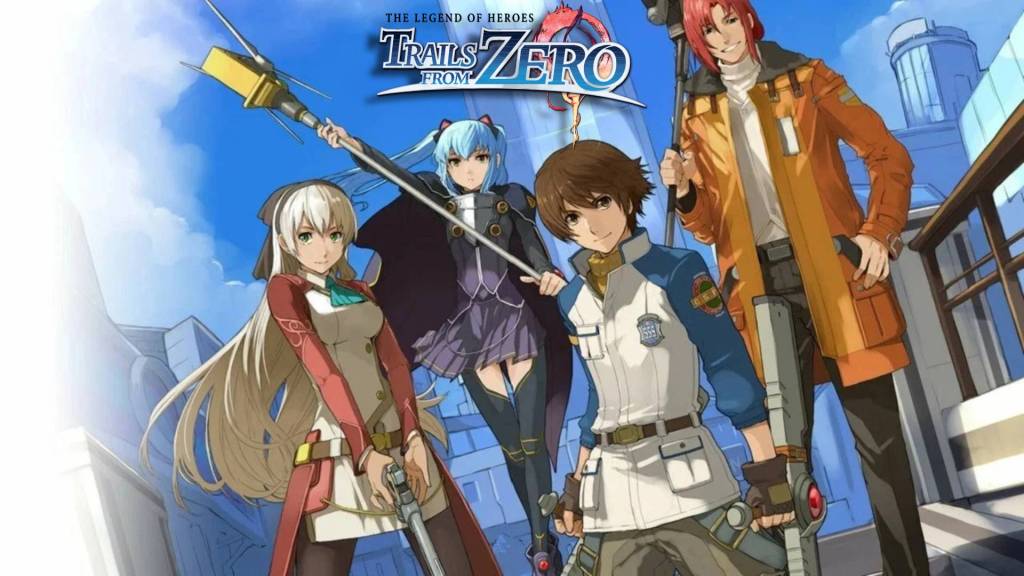
    After wrapping up the Sky trilogy, diving into Trails from Zero felt like stepping into a new chapter of Falcom’s saga while still carrying familiar echoes of the past. This is the first game in the Crossbell arc, and instead of following bracers like Estelle and Joshua, you step into the shoes of Lloyd Bannings, a rookie detective and leader of the Special Support Section (SSS).

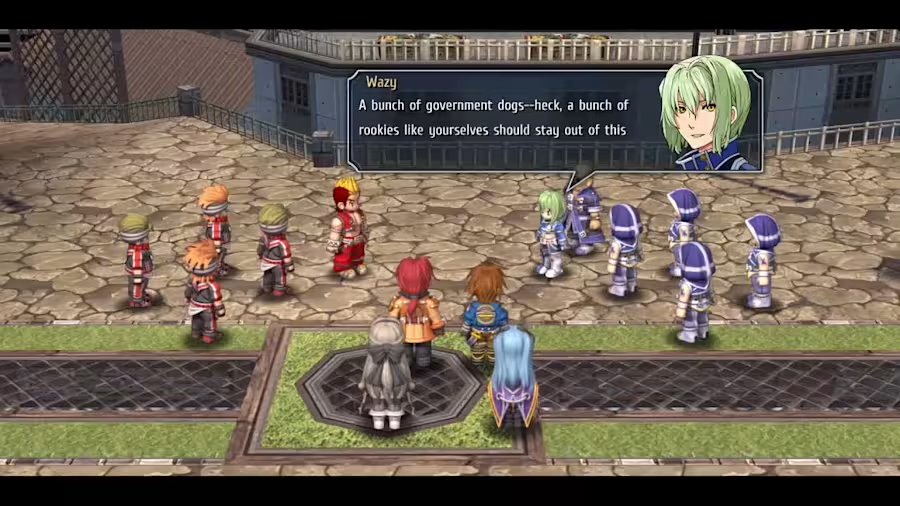
    It’s an immediate shift in perspective. You’re not saving kingdoms or unraveling ancient prophecies this time — you’re a rookie cop in a city riddled with corruption, mafia syndicates, and political pressure from neighboring superpowers Erebonia and Calvard. That grounded setup makes Zero feel distinct, even while sharing Falcom’s trademark slow-burn pacing.

    The blend of new characters (Lloyd, Elie, Randy, Tio) with familiar faces from Liberl gave me the best of both worlds. Seeing Estelle and Joshua again, but in a supporting role rather than center stage, was like bumping into old friends while making new ones.


    ⚙️ Gameplay & Progression

    Falcom really sharpened their JRPG formula here.

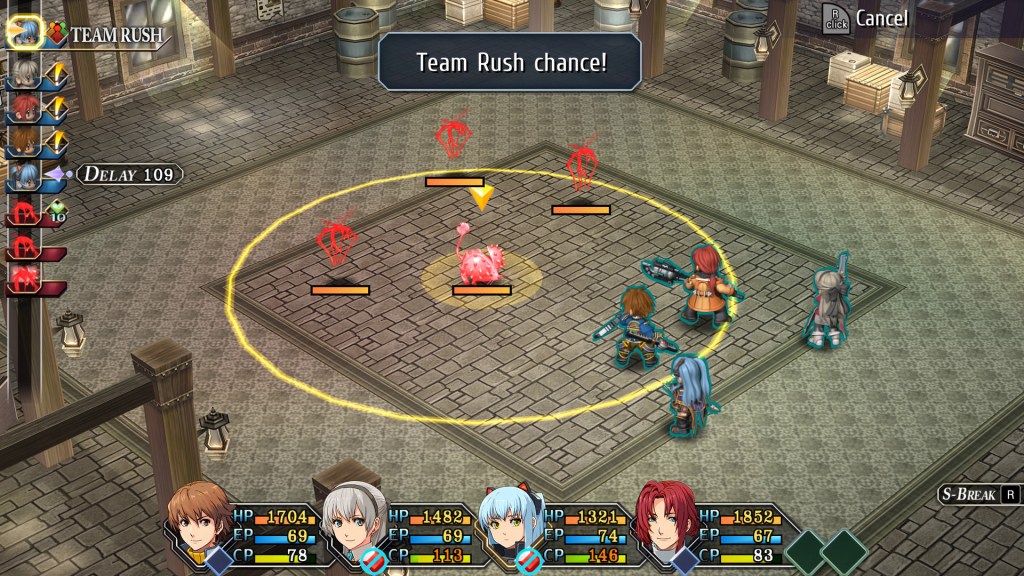
    • Combat (10/10): This is easily the best the series has felt so far. The turn-based grid system remains intact, but the pace is faster, animations cleaner, and abilities more impactful. The orbal system — the heart of customizing magic and skills — has been revamped, letting you shape each character’s strengths with more flexibility. Chain attacks and combo crafts give fights a cinematic flair.
    • Party Balance: Each SSS member brings something unique. Lloyd is a balanced frontline fighter, Elie brings range and support, Randy smashes enemies with heavy attacks, and Tio provides arts and tech support. It felt great to experiment with setups rather than just default to one strategy.

    Image Credit: Steam Store

    • Exploration: The city of Crossbell is the real star. Unlike the sprawling towns of Liberl, Crossbell feels alive — bustling NPCs, shady alleyways, political headquarters, and vibrant districts all add personality. The density of the city made me want to revisit locations just to see what new dialogue NPCs had.
    • The Missing Haze System: One gripe — the absence of the Haze mechanic (from Sky) means you can’t just sneak past enemies. That forces you into more encounters than you might want, and fleeing can break the flow. It’s a small but noticeable step back in quality of life.

    Image Credit: Steam Store

    Despite that, the gameplay loop is addictive: patrol, investigate, fight, return to HQ, and watch your little police squad slowly grow into something formidable.


    🎵 Music, Art, and Atmosphere

    This is where my feelings are a bit mixed.

    • Music (6/10): Don’t get me wrong, the soundtrack is fine — but after Sky’s unforgettable tracks, Zero’s OST just didn’t stick. It supports the mood but rarely shines. No single theme got stuck in my head the way “Silver Will” or SC’s battle theme did.
    • Atmosphere: Where Zero absolutely nails it is Crossbell itself. Falcom clearly wanted the city to be more than a backdrop — it feels like a living, breathing character. Between the nightlife, seedy underworld, and NPC chatter, I found myself more invested in the place than I expected.
    • Visuals: The art style stays consistent with the series but gets a polish. Character sprites are sharper, combat animations smoother, and environments more detailed. Crossbell’s mix of high-tech and old-world design makes it stand apart from Liberl’s countryside aesthetic.

    ✍️ Story & Dialogue

    The story earns an 8/10 from me. While it shares the slow pacing of Sky, the focus on politics and crime gives it a new flavor. Instead of chasing down mysteries of ancient civilizations, you’re digging into mafia activity, corrupt officials, and the tug-of-war between Erebonia and Calvard.

    • Twists: For a smaller-scale narrative, the twists landed surprisingly hard. I thought I had things figured out, but Zero still managed to pull the rug out from under me a few times.
    • Characters: Lloyd is more grounded than Estelle — he’s thoughtful, almost detective-like in his approach — while Elie, Randy, and Tio balance him out with their quirks and backstories. By the end, I genuinely cared about the SSS as a team.
    • Returning Faces: Estelle and Joshua’s appearances were perfect. They’re not shoved into the spotlight, but their presence adds continuity for Sky veterans and lets you see them from a fresh angle.

    📝 Category Breakdown

    • Story: 8/10 — Political, grounded, with surprising twists.
    • Music: 6/10 — Functional but forgettable compared to Sky’s soundtrack.
    • Combat: 10/10 — Fast, refined, and the best system yet.
    • Game: 8/10 — Strong overall, but missing features (like Haze) are noticeable.

    ✅ Final Verdict

    Trails from Zero is a fantastic kickoff to the Crossbell arc. It’s more intimate than the Sky trilogy, but no less engaging. Where Sky felt like an epic adventure across Liberl, Zero zooms in on one city and asks you to care about its people, politics, and problems — and it works.

    Can you start here without playing the Sky trilogy? Yes, absolutely. It spoils very little and tells a complete story of its own. But you’ll definitely appreciate the cameos, callbacks, and emotional payoffs more if you’ve been along for the ride since Liberl.

    If you’re into JRPGs that feel like a long-form anime, this is one of the strongest entry points Falcom has ever put out.


    🔥 Clay’s Take

    Compared to the first three games, Zero feels like a leap forward. The combat is tighter, the story structure more grounded, and the character dynamics as good as ever. Lloyd might not have Estelle’s energy, but he brings a different kind of leadership that fits the SSS perfectly.

    I do wish the soundtrack grabbed me more, and the missing Haze system made dungeon crawling a bit clunky, but none of that took away from how much I enjoyed it.

    Score: 8/10 — A strong, surprising, and essential chapter in The Legend of Heroes saga.


    🔗 The Legend of Heroes Review Series


  • Image Credit: In-game by Cl4y

    Playtime: ~2 hours (Public Test)
    Completion: Ongoing (testing build)
    Platform: PC (Steam)
    Genre: Survival, Co-op, Base Building
    Played/Reviewed: September 2025
    Final Score: ⭐⭐⭐⭐☆ 8.5/10


    🧠 First Impressions

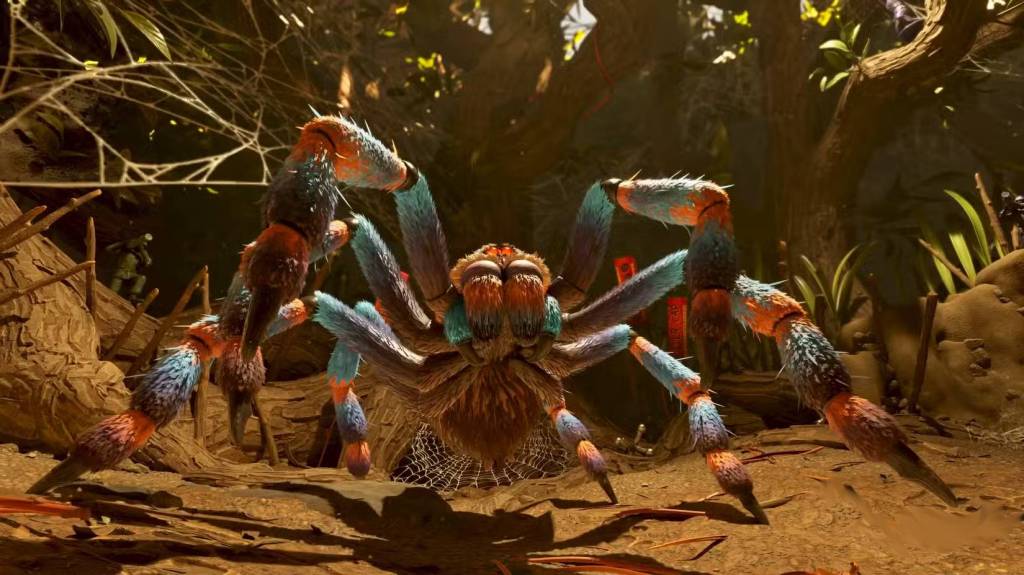
    When Obsidian dropped the “Hairy & Scary” Public Test Build, my first reaction was: this doesn’t feel like a small patch, this feels like a soft expansion. Instead of just bug fixes or a balance pass, you get a new boss, new gear, a new construction system, and a seasonal event all crammed into one update.

    Booting up, the vibe is instantly creepier. Between the AXL tarantula boss looming like a backyard raid boss and Halloween candy scattered around the yard, the update knows exactly how to set the mood. It’s rough around the edges—this is a test build—but you can see the direction the devs are aiming for: bigger threats, cleaner systems, and a sturdier foundation for the game’s future.


    ⚙️ Gameplay & Progression

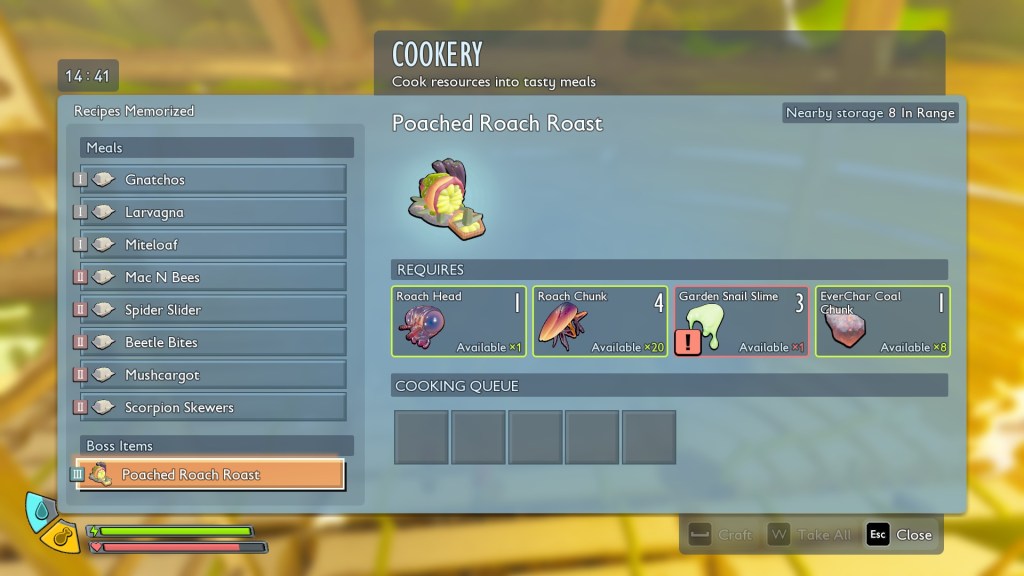
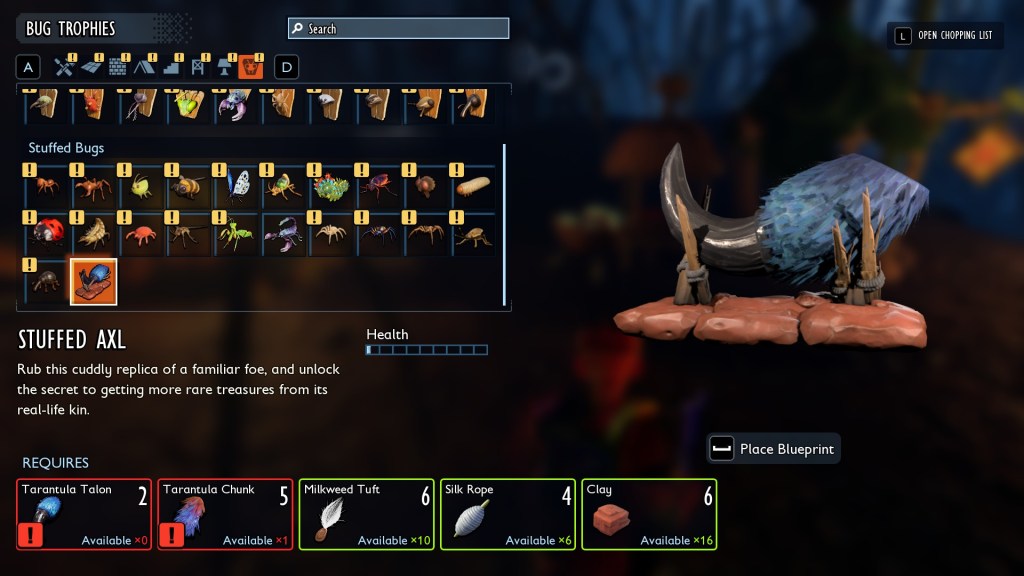
    The clear star is AXL, the new boss fight. Unlocking him requires finding and crafting an offering recipe, which makes the battle feel earned instead of just plopping into your lap. The fight itself is intense—AXL is tanky, punishes sloppy parries, and forces you to juggle survival with resource management.

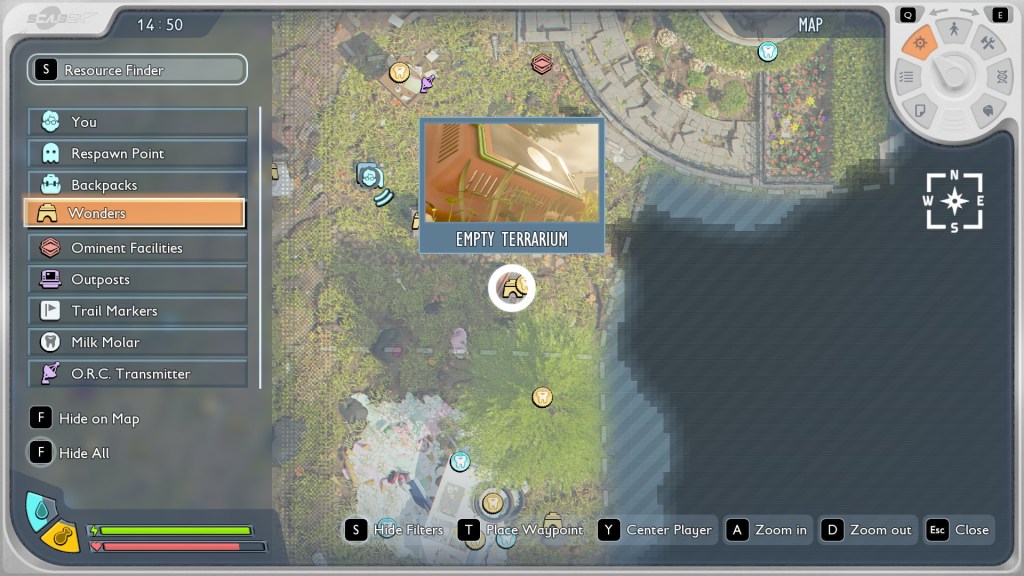
    AXL Boss Recipe:

    AXL Arena Location:

    AXL Boss Fight: (SPOILER WARNING)

    Big Boss, Big Damage, Little player, Little Damage

    The rewards are sweet though:

    • AXL weapons (Spear, Greatbow, Arrows) bring new playstyles.
    • AXL armor set adds another endgame progression option.
    • AXL throne, candle, chest, stuffed/trophy wall mount let you flex your victory in style.

    On top of this, Obsidian replaced the old construction radial with BUILD.M, which feels like Grounded finally growing up. Building bases used to be a chore if you didn’t memorize the radial—now you get something closer to a true construction menu, and placing Pine walls, rugs, or the new Scorpion furniture feels smoother and more organized.

    New BUILD.M construction radial:

    Progression also gets a subtle seasonal twist: the Halloween Trick-or-Treatery building (available in October only) and Candy Corn resources spice up exploration. It’s a fun reason to log in even if you’re not gunning for the AXL fight yet.


    🎵 Atmosphere

    This update doubles down on atmosphere. Obsidian clearly had fun with the Halloween event: spooky ambient cues, weird Candy Corn drops, and an eerie vibe at night make the yard feel fresh.

    Visually, the new Pine and Scorpion building pieces expand the base-building sandbox. I built a Pine table setup in my camp and immediately thought, this looks like something from Valheim dropped into Honey, I Shrunk the Kids.

    Audio tweaks also land—improved translations, fixed missing VO, better volume balancing. Small stuff, but when you’re fighting AXL or hanging out at your base, the soundscape now feels richer and more polished.


    ✍️ Story & Dialogue

    The AXL encounter doesn’t push narrative in a dramatic way, but it does add to the “tiny humans vs. giant threats” story thread. The fact that you have to summon AXL with an offering makes it feel like backyard folklore—you’re performing a ritual to awaken something ancient and hairy.

    Halloween flavor text and small ambient changes also hint that Obsidian wants Grounded 2 to have a more playful seasonal cycle, weaving holiday events into the survival story. Not full lore drops, but it helps flesh out the backyard as a living, shifting world.


    📝 Category Breakdown

    • New Features: AXL boss fight + gear, BUILD.M system, mutation, trinkets.
    • Seasonal: Halloween-exclusive Trick-or-Treatery, Candy Corn swap, spooky ambiance.
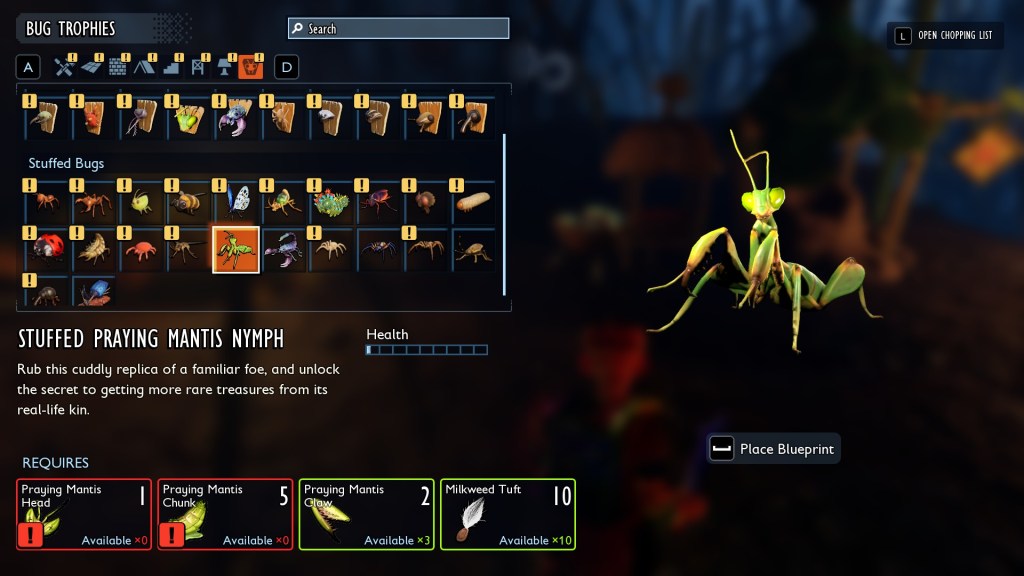
    • New Content: Pine building set, Scorpion Bed/Lamp, Wolf Spider Rug, Praying Mantis Armor.
    • QoL: Hotpouch permanent, set bonus info visible, better buggy repairs, Orb Weaver fixes, light-emitting SCA.B.
    • Combat Tweaks: Crit/stun values toned down, bows nerfed, daggers reined in, ambush/assassin mutations adjusted, Smasher buffed.
    • Performance: ~15% stability gain, new graphic options (including Lumen toggle), huge list of bug fixes (UI, buggies, creatures, OOW gaps).

    ✅ Final Verdict

    This update isn’t just a test—it’s a proof of concept for where Grounded 2 is headed. With a headline boss, a construction overhaul, a seasonal event, and performance improvements, it’s the kind of patch that makes you confident the devs are listening.

    Yes, the nerfs sting (RIP crit-heavy dagger builds, bow mains feeling the pain), but balance changes make sense with AXL as the new measuring stick. And with BUILD.M, Halloween flair, and smoother performance, the whole game feels more polished.

    If Obsidian can keep this pace, Grounded 2 won’t just be a quirky survival game—it’ll be a full-fledged co-op sandbox that can stand toe-to-toe with genre heavyweights.


    🔥 Clay’s Take

    I went into this patch thinking “oh, cool, Halloween candy and a boss,” but came out genuinely impressed. AXL is terrifying in the best way. The BUILD.M system feels like the upgrade the game needed since day one. And the seasonal content makes me want to log in just to see what goofy thing Obsidian hides next.

    The combat nerfs are a bummer, but honestly? The game feels healthier for it. If you’ve been waiting for Grounded 2 to take that next step, this is the update that proves it’s growing fast.

    Score: 8.5/10 — Creepy, chunky, and a step closer to greatness.


    🧭 What’s Next?

    0.2.0 feels like a “prep patch.” The balance changes, new construction system, and AXL fight all hint at bigger things coming with Tier 3 content. If this is just the test build, the next major update could be the one that really cements Grounded 2’s identity in the survival space.


    Previous Content

  • Image Credit: By Clay

    Playtime: 20 hours
    Completion: Finished (Main Story)
    Platform: PC
    Genre: Linear Action RPG, Indie, Pixel-Art
    Played/Reviewed: August 2025
    Final Score: ★★★★☆ 8/10


    🧠 First Impressions

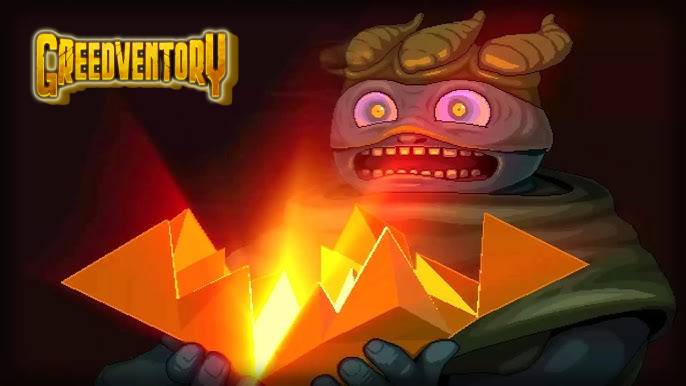
    Greedventory immediately caught my eye with its gorgeous pixel art and unapologetically unique combat system. Within minutes, I knew this wasn’t going to be your typical action RPG—it’s mouse-driven, brutally unforgiving, and somehow still hilarious. The reviews dogging it for “no controller support” or “hard blocking” just don’t get it. This isn’t a game designed for comfort. It’s designed to test your reflexes, reward your focus, and punish laziness. And honestly? That’s what makes it so damn good.


    ⚙️ Gameplay & Progression

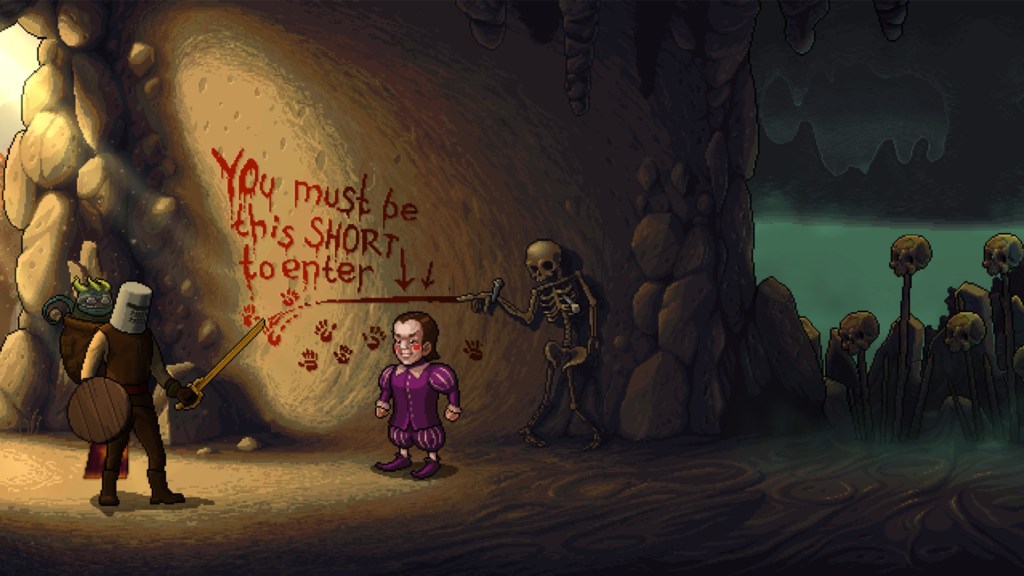
    At its core, Greedventory is all about mouse-based combat. Left-click to strike, right-click to parry, and hold for a devastating charged attack. It sounds simple, but in practice it’s a fast-paced dance where every millisecond counts.

    The highlight of this system is reactive parrying. Time your block just right, and you’ll stun enemies or even send their projectiles flying back at them. Fail to react, and you’ll eat a hit that usually costs you big. It’s punishing, but when you nail it, the satisfaction is immense.

    Image Credit: By Clay

    Instead of character classes, your abilities come entirely from your equipment. Weapons, armor, and rings define your playstyle, often with magical imbuements that add unique effects. It feels flexible and rewarding, but it comes with one of the game’s most divisive mechanics: gear durability. Items degrade quickly, and when they break, they’re gone for good—unless you get lucky and they upgrade instead. It’s a love-it-or-hate-it system that constantly forces you to adapt.

    Image Credit: By Clay

    Progression is tied to gold, which doubles as both your currency and experience points (Souls fans will feel right at home). Die, and you lose a chunk of it, making every run a gamble between greed and survival.

    Layered over this is a brutal, greed-fueled story, where everyone is out to scam or rob you, and your so-called allies are just as untrustworthy as your enemies. It’s a world that makes you paranoid in the best way, keeping you alert both in combat and in conversation.


    🎵 Music, Art, and Atmosphere

    The art is breathtaking. I’m a sucker for pixel art, and Greedventory goes above and beyond. It doesn’t just look good—it feels alive. Environments drip with atmosphere, characters ooze sass and style, and animations make every parry and strike feel weighty.

    The music carries the same energy as the visuals. It shifts between tense and cheeky, matching the game’s mix of brutality and humor. It’s not the kind of soundtrack you’ll hum outside the game, but in the moment, it’s spot-on.


    ✍️ Story & Dialogue

    The narrative is sharper than expected. On the surface, it’s a tale of an ancient brotherhood hoarding magic and your reluctant quest to stop them. But what makes it shine is its sassy, self-aware humor. Everyone has an angle, every ally might stab you in the back, and the writing makes sure you never feel safe.

    The pacing is brisk enough that you’re never bogged down in lore dumps, but there’s just enough depth if you want to dig into the world’s cynical, greed-driven corruption.


    📝 Category Breakdown

    • Gameplay: 8/10 — Unique mouse-driven combat and reactive parrying make it stand out, but durability mechanics may frustrate.
    • Graphics: 9/10 — Absolutely phenomenal pixel art with tons of character.
    • Music/Atmosphere: 7/10 — Great in-game, though not especially memorable outside.
    • Story: 8/10 — A sharp, cynical tale that balances dark tone with witty humor.
    • Replayability: 7/10 — Linear by nature, but worth dipping back in to refine skills or try different gear paths.

    ✅ Final Verdict

    Greedventory is one of the most unique indie RPGs I’ve played in a long time. It ditches conventions, throws away controller support, and proudly demands your full attention. And it works. The combat becomes a rhythm, the art is phenomenal, and the mix of sass and brutality makes it stand out from the pack.

    Still, it won’t be for everyone. The difficulty curve, reliance on reflexes, and unforgiving durability system may frustrate more casual players. But for those willing to adapt, it’s a refreshing and rewarding experience that’s unlike anything else out there.


    🔥 Clay’s Take

    This game deserves far more recognition. As of writing, it’s criminally under-reviewed, but it’s an indie diamond in the rough waiting to be discovered. For $20, it’s a steal—though its uncompromising mechanics keep it just shy of masterpiece territory.

    Final Score: ★★★★☆ 8/10
    Recommendation: A must-play for pixel art lovers and action RPG fans craving something different.


  • Image Credit: By Clay

    Playtime: ~11.5 hours
    Completion: Story finished
    Platform: PC
    Genre: Stealth, Action
    Final Score: ★★★★☆ 8.5/10


    🧠 First Impressions

    When Konami first dropped the remake trailer, I was skeptical. Did we really need another version of Snake Eater? The PS2 classic still holds up, and the HD collection already gave fans a convenient way to replay it. But the more I played Δ: Snake Eater, the more I realized this isn’t a cash-grab—it’s a careful restoration.

    This is the best kind of remake: faithful to the original, visually polished, and updated with just enough quality-of-life improvements to feel modern. It doesn’t try to “modernize” Snake into something he’s not, nor does it sand down Kojima’s eccentric edges. Instead, it takes a beloved game, upgrades the visuals, tweaks the controls, and says: “Here, play it again, but better.”

    It feels like seeing an old friend after years apart—they’ve aged gracefully, put on a sharper outfit, and maybe hit the gym once or twice. But it’s still them.


    ⚙️ Gameplay & Progression

    One of the smartest decisions Konami made was including two distinct gameplay modes:

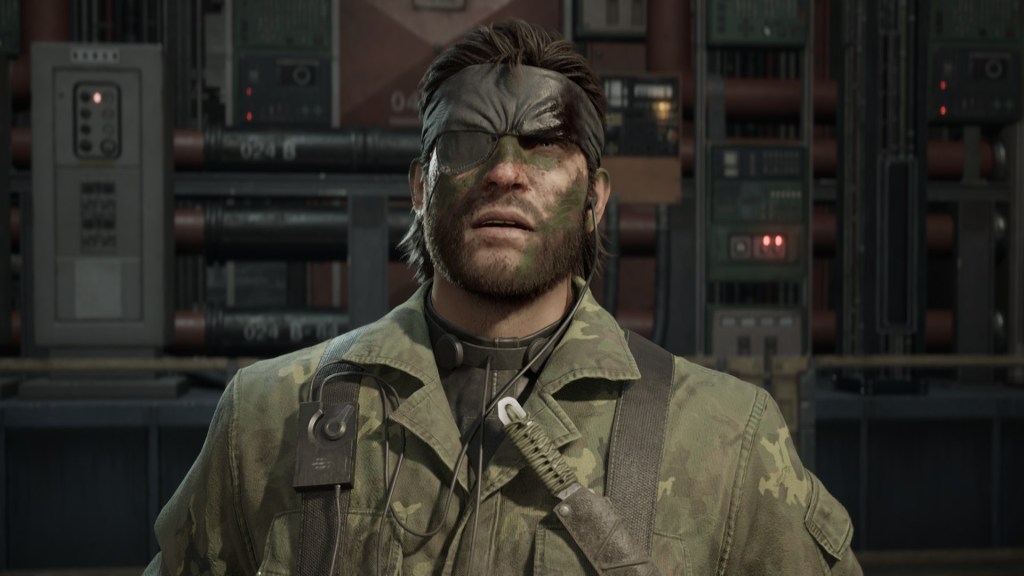
    • Legacy Style: This sticks closely to the PS2 original, quirks and all. Movements, aiming, and menus feel like 2004 all over again. It’s perfect for longtime fans who want the nostalgia of playing Snake Eater exactly as they remember it.
    • Modern Style: A streamlined, more “standardized” control scheme that aligns with how stealth/action games are designed today. Aiming feels more natural, camera control is smoother, and menus flow better. It’s not flashy—it’s the “safe” option—but it makes Snake Eater instantly approachable for new players.

    This dual approach is clever. Instead of alienating veterans by forcing changes, or turning off new players with clunky mechanics, Konami basically said: “Choose your Snake.” That flexibility ensures both camps get the experience they want without compromise.

    Image Credit: By Clay

    The stealth mechanics remain top-tier. This isn’t a game that lets you go guns blazing without punishment; enemies will overwhelm you if you get sloppy. Patience, observation, and timing are still the keys to survival.

    The boss fights remain the crown jewel, and they translate wonderfully in this remake:

    • The End is still the most time-consuming, demanding patience and awareness in a battle of attrition. Even knowing the tricks, the sheer length of the encounter keeps the tension high.
    • The Pain and The Fear were, for me, the most annoying fights. Both lean on gimmicks that can drag things out more than they need to, testing patience in a less fun way.
    • Volgin, on the other hand, felt almost anticlimactic in comparison. For a major villain, he went down surprisingly easily next to the other Cobras.

    That mix of exhausting, frustrating, and surprisingly easy battles is part of what makes Snake Eater so memorable—each boss encounter has its own distinct flavor.


    🎵 Music, Art, and Atmosphere

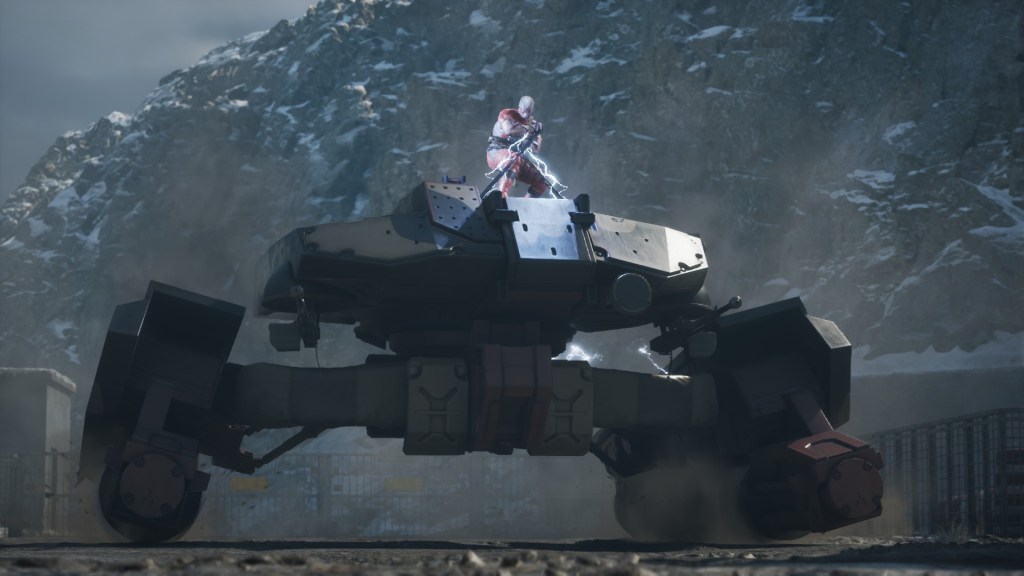
    The updated visuals do a phenomenal job of breathing new life into Snake Eater’s world. The jungle looks lush, wet, and alive—you can practically feel the humidity through the screen. Character models are more detailed while still keeping their original designs intact. This isn’t a “reimagining” like Resident Evil 2 Remake; it’s more of a high-definition polish with modern lighting and effects.

    The atmosphere is stronger than ever. That sense of isolation in the wilderness, the paranoia of enemy patrols lurking just out of sight—it’s all amplified by the improved presentation.

    And the music? Still legendary. The jazzy, Bond-esque main theme remains one of the greatest video game songs of all time. The orchestral stings during boss battles crank up the tension, and the quieter, ambient tracks keep you on edge in the jungle. Few games nail atmosphere like Snake Eater, and this remake doubles down on it.

    Of course, the infamous ladder sequence makes its return—the moment Snake climbs endlessly upward while the full Snake Eater theme swells in the background. Even knowing it’s coming, it still hits like a surreal, theatrical gut-punch, cementing itself as one of the most unforgettable uses of music in gaming history.

    Few games nail atmosphere like Snake Eater, and this remake doubles down on it.


    ✍️ Story & Dialogue

    The narrative is unchanged, and that’s exactly how it should be. Snake Eater’s story is still peak Kojima: dramatic Cold War intrigue layered with absurd villains, philosophical rants, and a surprising amount of heart.

    The dialogue remains campy yet unforgettable. Characters like Ocelot and Volgin chew the scenery in ways only Metal Gear can get away with, while Snake and The Boss’s relationship provides the emotional core that keeps the story grounded.

    Even after all these years, the ending still hits like a truck. Watching Snake salute at the grave, knowing the sacrifices made—it’s as powerful in 2025 as it was in 2004.


    📝 Category Breakdown

    • Faithfulness to Original: 10/10 – Every scene, mechanic, and line of dialogue is here. Nothing stripped away.
    • Graphics & Performance: 8/10 – Gorgeous visuals with occasional frame dips and minor bugs, but Konami’s track record of post-launch patches gives hope.
    • Gameplay Modernization: 9/10 – Two gameplay/control styles make it accessible to both veterans and newcomers.
    • Boss Fights: 9/10 – Iconic as ever, though The Pain and The Fear still test patience, and Volgin feels too easy.
    • Replay Value: 8/10 – Plenty of reasons to revisit, especially for stealth mastery or challenging runs.
    • Development/Release: 7/10 – Took too long for a remake of limited scope, and the wait tested patience.

    ✅ Final Verdict

    METAL GEAR SOLID Δ: SNAKE EATER is the definition of a faithful remake. It doesn’t try to reinvent Snake’s legendary mission, nor does it bury it in unnecessary “modernization.” Instead, it sharpens what was already a diamond.

    Yes, the development cycle dragged out longer than it should have, and yes, there are still a few technical hiccups to iron out. But once you’re in the jungle, crawling through the mud, and hearing the theme swell as you face The Boss, none of that matters.

    For me, this version replaces the original as the definitive way to play Snake Eater. Unlike Resident Evil 4, where I still find myself going back to the 2005 classic, this remake earns the title of “go-to version.”


    🔥 Clay’s Take

    Konami actually delivered. Snake Eater is my favorite Metal Gear, and this remake respects that legacy while making it easier than ever to revisit. The two distinct gameplay styles are a stroke of brilliance, letting me swap between nostalgia and comfort depending on my mood.

    The boss fights reminded me why this entry stands out: The End tested my patience, The Pain and The Fear tested my nerves, and Volgin tested my disbelief at how fast he dropped. But that’s Snake Eater—messy, tense, frustrating, and unforgettable.

    It’s proof that not all remakes need to reinvent the wheel—sometimes, it’s enough to polish the one we already loved.

    Final Score: ★★★★☆ 8.5/10


  • Image Credit: Steam Store Page

    Playtime: ~30–60 minutes (multiple runs for endings)
    Completion: Story finished | Multiple endings explored
    Platform: Steam
    Played/Reviewed: 2025
    Final Score: ★★★☆☆ (6.5/10)


    🧠 First Impressions

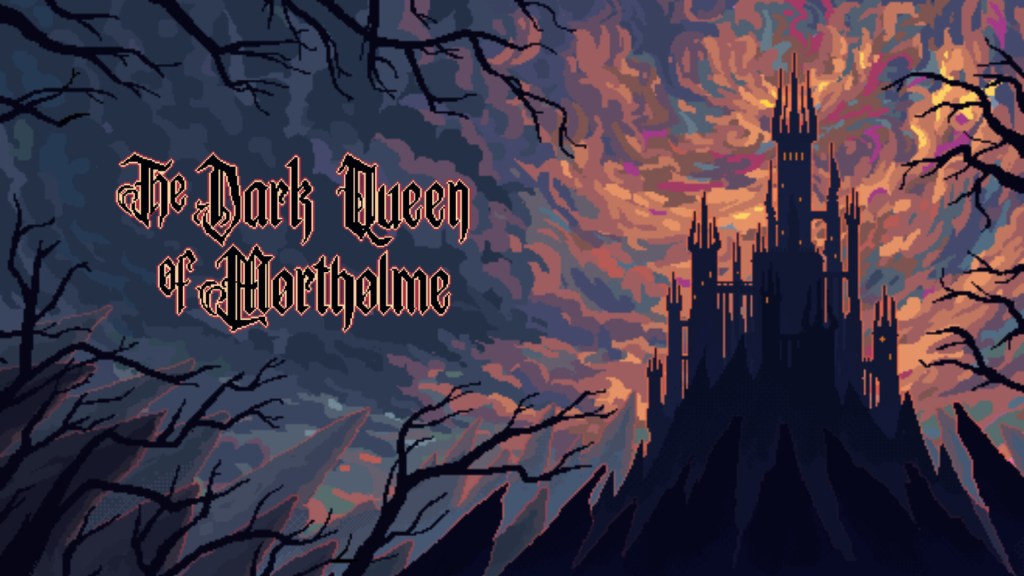
    The Dark Queen of Mortholme flips the script — instead of playing as the hero, you step into the pixelated shoes of the final boss. It’s a brilliant concept: second-person narration, haunting atmosphere, and a story that asks what happens when the hero just… won’t stay down.

    Right away, the pixel art style and music set a strong tone. It feels grim, theatrical, and unique. The dialogue choices keep you on edge, and your interactions with the hero meaningfully shift the story toward different endings. For a game that can be finished in under an hour, it packs in surprising emotional weight.


    ⚙️ Gameplay & Challenge

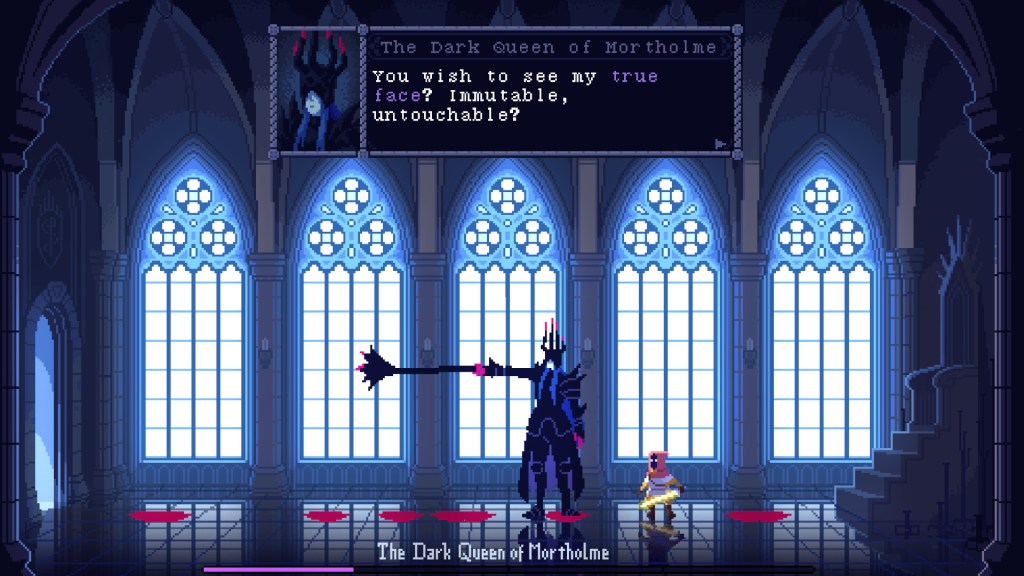
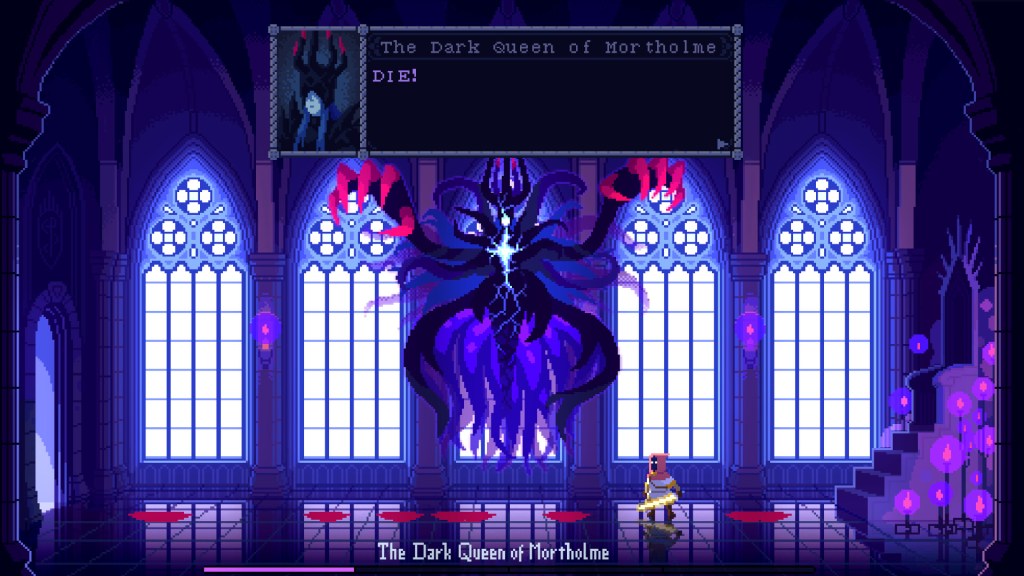
    If you’re expecting an action-heavy indie fighter, pump the brakes. Combat here is entirely scripted — you only get six moves, 3 on the first phase and 3 on the second phase. the Queen moves slowly by design, and the “fights” are more narrative devices than actual mechanics. It works for the story, but if you came in for a challenge, you might leave disappointed.

    Image Credit: Steam Store Page

    As you keep defeating the hero, he will come back. With new gear or new game knowledge. He will start dodging every move and at some point you will not deal any damage to it as he moves as he knows every move.

    The real challenge isn’t the combat, but the technical frustration:

    • No save system – if the game crashes (and it often does near the end), you restart from scratch.
    • No skip button – replaying the same dialogue gets tiring fast.
    • Slow pacing – the deliberate animations drag on when you’re forced to repeat them.

    On the flip side, choices and endings give the story replay value, and when it works, the atmosphere is spot-on.


    🎨 Art, Music, and Atmosphere

    • Pixel Art: Beautifully detailed, haunting, and expressive.
    • Music: Atmospheric and immersive, pulling you deeper into the Queen’s doomed struggle.
    • Writing: Emotional and surprisingly heavy, with endings that hit hard depending on your choices.

    The presentation is stellar — you can feel the love poured into every frame.


    📝 Category Breakdown

    🎮 Gameplay: 6/10 – Interesting idea, dragged down by crashes
    📖 Story: 8/10 – Emotional, original, and meaningful
    🎨 Art: 9/10 – Gorgeous pixel work
    🎵 Music: 8/10 – Haunting and effective
    🧾 Overall: 6.5/10 – Solid, but flawed


    ✅ Final Verdict

    The Dark Queen of Mortholme is an indie gem buried under technical rubble. The story, art, and music deserve praise, but the lack of polish, crashes, and missing QoL features make it frustrating to recommend without caveats.

    Still, if you’re intrigued by the concept of playing as the final boss, it’s worth a shot — especially since you can test it for free on Itch.io before buying the Steam version.


    🔥 Clay’s Take

    “This could have been a cult classic if not for the bugs. The art and story are phenomenal, but the lack of saves and constant crashes almost killed my patience. Still, for the originality and emotional punch it is a game that I would recommend.

    Final Score: ★★★☆☆ (6.5/10)
    Recommendation: Yes