All Game, No Filter

“Saving thoughts on everything I play.”


  • 🧠 First Impressions

    Obsidian just dropped Patch 0.1.3 for Grounded 2, and it’s a big one. While not a content-heavy update, it tackles some much-needed performance fixes, stability issues, and quality-of-life changes. After playing around with the patch, I can confidently say the game feels smoother and more reliable than before.


    ⚙️ Quality of Life Updates

    • Snail Shells now despawn automatically after 24 hours (goodbye clutter).
    • Added new “Game Repair Options” for fixing saves and weird bugs:
      • Creature Reset: returns creatures to intended locations.
      • Reset Buggy: sends all buggy companions back to their nest, no matter where they are.
    • A clear save data cap UI now informs you of the 10-save-per-world limit.

    These changes may sound small, but they go a long way in keeping worlds stable—especially for players like me who hoard save files.


    🚏 Quick Travel System (from Patch 0.1.2)

    While working on a new base near a research facility, I finally dug into the Quick Travel system that was added back in Patch 0.1.2.
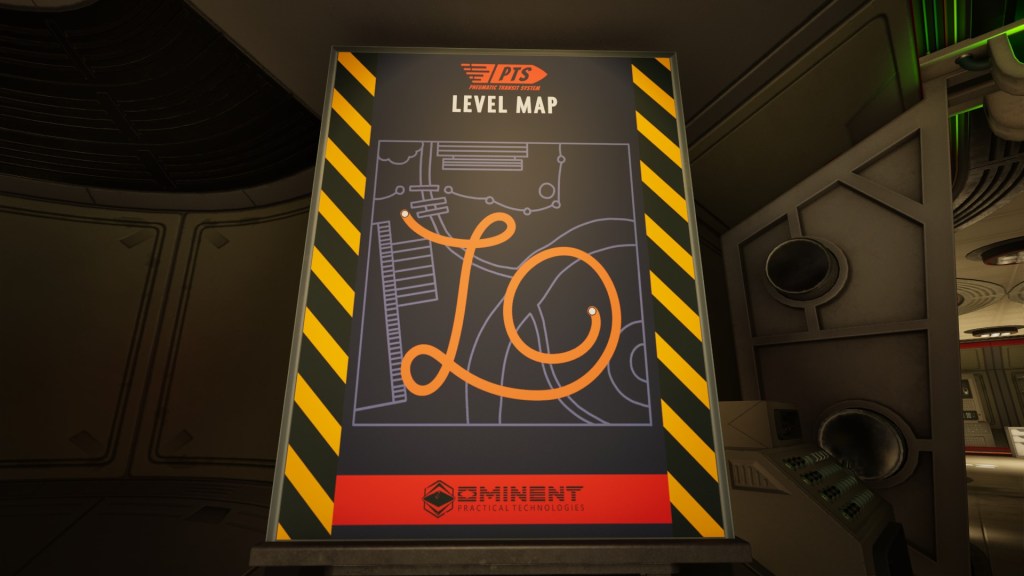
    Image Credit: In-game

    It’s honestly one of the best features the game has right now — cutting down on the endless backtracking, making resource runs and multi-base setups way more enjoyable. It feels like Obsidian really thought about long-term play here. With Patch 0.1.3 improving stability, quick travel feels smoother and more essential than ever.


    🐞 Major Bug Fixes

    • Overall stability improved by an estimated 30% performance gain compared to patch 0.1.2.1.
    • Fixed crashes related to UI menus, ORC Waves, and the Mysterious Stranger fight.
    • Progression bugs resolved (like blocked passages to the Ice Sickles arena).
    • Creatures missing textures? Fixed.
    • Duplication exploits and infinite consumables on Buggies? Gone. (Guess the devs watched those YouTube videos 👀).

    For an Early Access title, these fixes are critical — and Obsidian is clearly listening. Listening so well, they even seem to be taking notes straight from the player community.


    🌳 World & The Park Changes

    • Resources will no longer respawn through player-built structures (finally!).
    • ORC creatures now stay stationed at guard posts.
    • Fixed pebblet foundation re-purchase prompts.
    • Players shouldn’t spawn in the skybox anymore (RIP accidental god mode).

    ⚔️ Combat & Equipment

    • Fixed mutation limit bug after Save/Load.
    • Fixed multiple equipment loss bugs.
    • Fixed mantis freeze bug.
    • Fixed ORC Creature card retrieval bug (retroactive).

    🎵 Audio & UI

    • Teenagers no longer sound like broken robots in dialogue.
    • Rust now displays properly instead of “Invalid Harvest Node.”
    • Fixed Omni-Tool and Interact keybind conflicts.

    🐛 Buggies

    • Removed unused Torch UI.
    • Torch can now be equipped properly on Buggy via hotpouch or controller radial.

    📜 Story & Quests

    • MIX.R completion now properly auto-completes linked ORC Receiver quests.

    🔥 Clay’s Take

    Not the sexiest update, but one of the most important. The game feels cleaner and less buggy, and those performance gains are very noticeable. With the free DLC and new biomes on the horizon, this patch is a solid step toward stability.

    Final Score (Patch 0.1.3 Impact): ★★★★☆ (8/10)
    Recommendation: Update ASAP—your saves and performance will thank you.

  • Image Credit: Steam Store Page

    Playtime: ~6–7 hours
    Completion: Story Finished
    Platform: PC
    Played / Reviewed: 2025
    Genre: Puzzle / Cozy Logic / Narrative
    Final Score: ★★★★☆ (8/10)


    🧠 First Impressions

    Sometimes you just want a game that doesn’t stress you out with timers, health bars, or grind. Is This Seat Taken? is exactly that. It’s a cozy puzzle game that asks you to do one simple thing: make sure people sit in the right spot. And somehow, that simple premise evolves into one of the most satisfying, surprisingly heartfelt experiences I’ve had this year.


    ⚙️ Gameplay & Progression

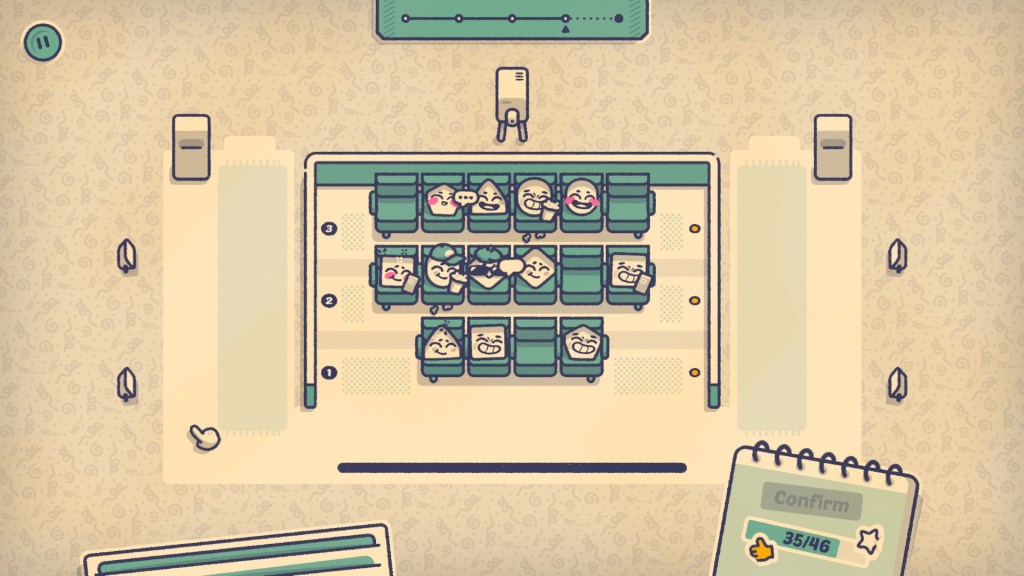
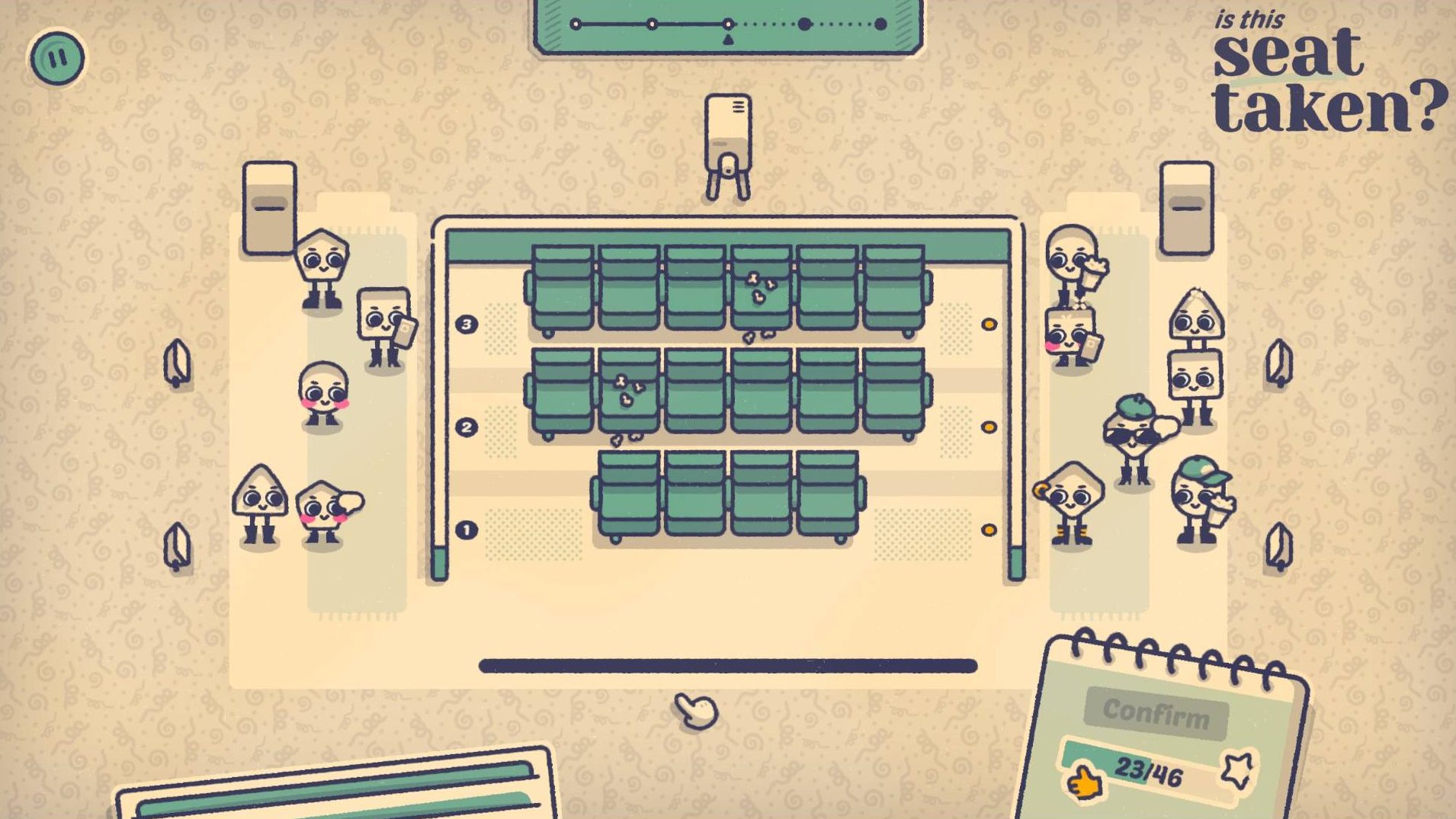
    Each level introduces a new setting—a bus ride, a cinema, a wedding reception, even a cramped taxi cab—and each comes with quirky characters who all have specific preferences. Someone doesn’t like cologne. Someone else needs quiet to nap. Another insists on a window seat.

    Image Credit: In-game

    Your job? Match them up and keep the peace. There’s no rush, no penalties, no leaderboard—just the pleasure of figuring out the logic puzzle.

    Here we can see the complexity as people have different requirements to sit down

    Progression is steady: as you move from city to city, the puzzles grow in complexity while introducing more characters and conditions. By the end, you’re juggling a lot of personalities at once, but it never feels unfair.


    🎨 Art, Style, and Atmosphere

    Visually, the game looks like an illustrated instruction manual—clean, simple, and charmingly minimal. It’s easy to read, which makes the logic side of things flow smoothly. The presentation is “super cute,” and it complements the relaxing vibe perfectly.

    The controls are intuitive and straightforward, letting you focus on the fun of solving puzzles rather than wrestling with the interface.


    ✍️ Story & Dialogue

    What I didn’t expect was the heartfelt story about Nat, a rhombus who discovers someone like them on the big screen. This sparks a journey of identity and belonging, as Nat travels city to city meeting new characters and trying to figure out their place in the world. It’s a surprisingly personal, emotional thread woven through what could have just been a set of logic puzzles.


    📝 Category Breakdown

    • Gameplay: 8/10 – Relaxing, well-paced puzzles with lots of personality.
    • Story: 7/10 – A sweet and heartfelt surprise that adds emotional weight.
    • Visuals: 9/10 – Clean, minimal, and perfectly suited to the concept.
    • Replayability: 6/10 – Once finished, it’s mostly a one-time experience (but I’d love weekly or seasonal puzzle updates).
    • Overall: 8/10 – Cozy, clever, and meaningful.

    ✅ Final Verdict

    Is This Seat Taken? is a game that sneaks up on you. What looks like a simple seating-arrangement puzzler reveals itself to be a touching, funny, and relaxing little adventure. It’s the perfect “one hour a day for a week” kind of game, best enjoyed slowly and thoughtfully.


    🔥 Clay’s Take

    This game is as wholesome as it is clever. I loved the mix of quirky puzzles and Nat’s heartfelt story. My only real complaint? I just want more of it. If the devs ever add seasonal or weekly puzzle packs, I’d be back in a heartbeat.

    Final Score: ★★★★☆ (8/10)
    Recommendation: Perfect for fans of cozy puzzles like A Little to the Left or anyone looking for a stress-free but meaningful game.


  • Image credit: Steam Store Page

    Playtime: ~10 hours (Story Finished)
    Completion: Finished
    Platform: PC / Steam Deck
    Played / Reviewed: 2025
    Genre: Tactical Roguelite / Turn-Based Strategy / Atmospheric Puzzle
    Final Score: ★★★★☆ (8/10)


    🧠 First Impressions

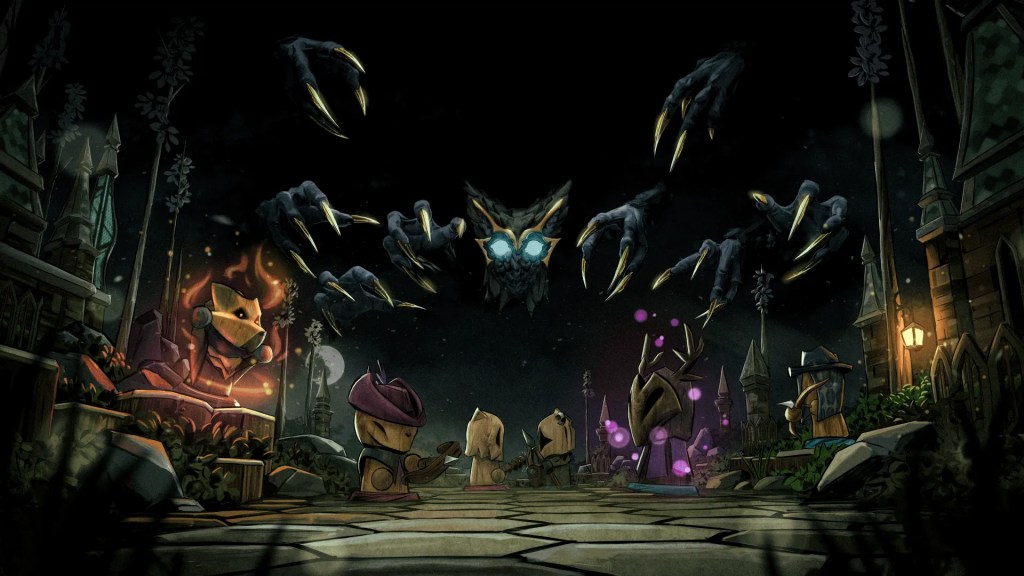
    Inkshade immediately gave me Inscryption vibes with its eerie tone and layered gameplay. From the moment you sit at the table opposite a shadowy figure, the game sets its atmosphere: you’re not just playing with wooden pieces—you’re bargaining with the abyss itself.

    It’s dark, challenging, and dripping with ambience. But unlike most hand-holding strategy games, Inkshade trusts you to figure things out through trial and error, making each discovery feel earned.


    ⚙️ Gameplay & Progression

    Most of the action happens at the table, where you move your crew of wooden pieces across tactical battlefields. Battles are turn-based, deceptively simple (move, then attack), but still surprisingly punishing. The enemy AI is smart enough to target your weakest units, forcing you to think carefully about positioning.

    As you beat locations the game master will keep giving you keys to unlock new locations on the ship. These new spaces aren’t just decoration—they hide coins, puzzles, and new pieces to recruit. Coins feed into upgrades, which you’ll need to keep up with the ever-escalating difficulty.

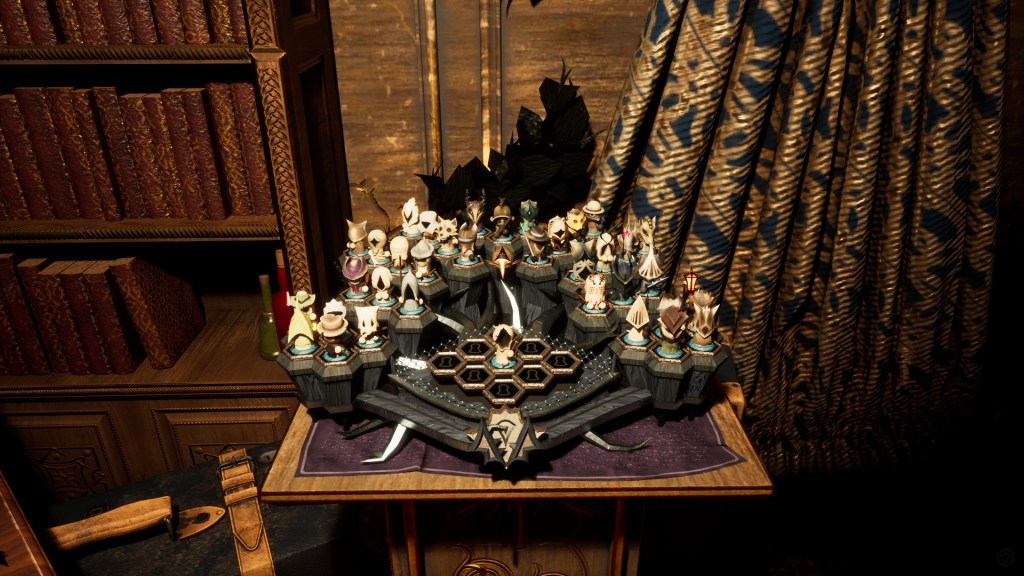
    Image Credit: In-game

    Progression is brutal but rewarding. You’ll constantly lose pieces in fights, but victories let you recruit replacements or upgrade survivors. Three regions make up the world, each with unique challenges, all leading toward building your airship.


    🧩 Puzzles & Atmosphere

    Puzzles are the main factor why this Inkshade avoids becoming a repetitive game. After countless tense battles at the table, you can step away to explore the surrounding rooms. Each unique room introduces itself through a new puzzle, keeping exploration fresh and rewarding.

    What’s clever is that every decoration in these rooms is interactable—but not necessarily important. It keeps you guessing which objects matter and which are just part of the ambience, amplifying the game’s spooky, experimental vibe.

    This design keeps the rhythm of the game balanced: battles test your tactical skill, while puzzles refresh your brain and keep curiosity alive. It’s a great loop that makes the whole experience more immersive.


    🎮 Combat & Challenge

    Combat might look simple at first, but Inkshade thrives on its restrictions. Standing on victory tiles, eliminating all foes. There is no time limit on the turns to restricting you from combat but you want more coins I suggest finishing the combat early.

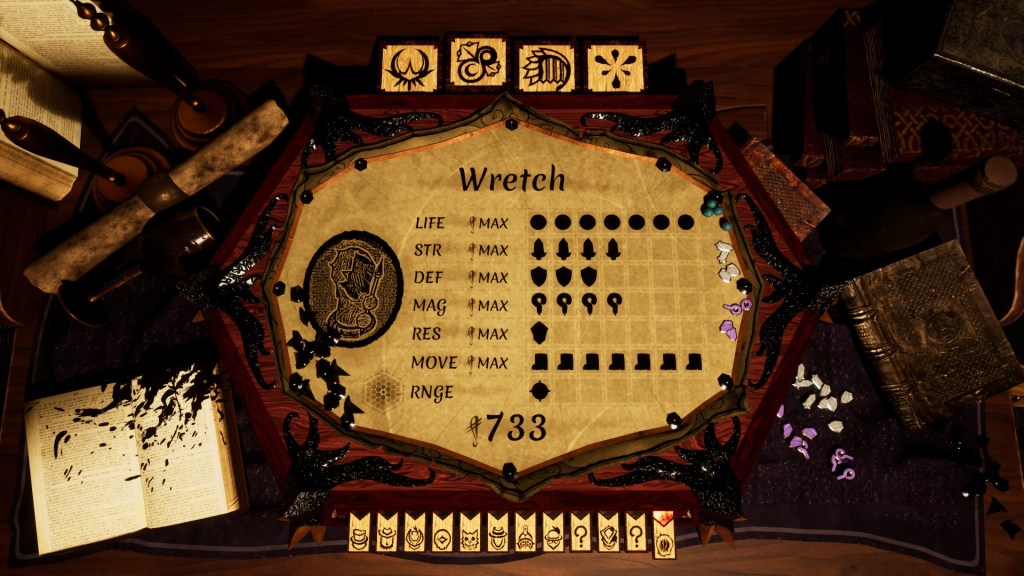
    The main difficulty comes from the pieces that you have to use early in the game. Many of them are far from optimal, and learning how to manage a less-than-ideal crew is part of the challenge. That is… until you realize that the first piece you get, the Wretch, is an absolute monster when played correctly. If you commit to upgrades early, Wretch’s defense becomes so high that most enemy attacks barely scratch it, turning it into a reliable early-game carry. PLEASE TAKE A LOT AT THESE STATS:

    Image credit: In-game

    As the picture shows these stats are the main difficulty of the game, just like your pieces the enemy pieces will have their own respective Health, Strength, Defense, Magic, Resistance, Move and Range stats. But don’t be fooled as all pieces have different maximum stats.

    WRETCH SOLO COMBAT:

    Eventually, as you unlock the final three monster pieces, Wretch transitions from unstoppable wall into a solid team support. But until then, it’s your lifeline—figuring out how to leverage it is a key moment in mastering Inkshade.

    The downside? Battles can feel repetitive, since the mechanics are limited to move + attack, but the difficulty curve and clever enemy AI ensure you’re always being tested.


    🎵 Music, Art, and Atmosphere

    Studio Vezelle nailed the ambience. The art style leans minimalist but atmospheric, the shadowy figure at the table is unnerving, and the music layers on just enough creep to keep you unsettled. Playing on both PC and Steam Deck felt seamless, which is impressive for a solo developer project.


    📝 Category Breakdown

    • Gameplay: 8/10 – Simple mechanics, but depth through design and difficulty.
    • Story/Atmosphere: 9/10 – Spooky and effective without over-explaining.
    • Combat: 7/10 – Smart, challenging, but can feel repetitive.
    • Exploration: 8/10 – Rooms and secrets keep the pacing fresh.
    • Overall: 8/10 – A strong entry from a solo dev.

    ✅ Final Verdict

    Inkshade isn’t for everyone. It’s demanding, vague, and occasionally punishing. But for players who enjoyed Inscryption or crave a dark, tactical roguelite dripping with atmosphere, this game is a must-play. It’s clever, it’s unsettling, and it rewards experimentation in ways most games wouldn’t dare.


    🔥 Clay’s Take

    This game nailed exactly what I wanted: a spooky, strategy-heavy roguelite that forces me to think differently every run. The room exploration, the creepy vibe, the tactical fights—it all clicks. Not perfect, but absolutely memorable.

    Final Score: ★★★★☆ (8/10)
    Recommendation: Highly recommended if you like Inscryption or dark, experimental tactics games.


  • Image Credit: Playstation Store

    Playtime: ~14 hours
    Completion: Main Story Finished
    Platform: PC
    Played / Reviewed: 2023 / 2025
    Genre: Action-Adventure / Platformer
    Final Score: ★★★☆☆ (7/10)


    🧠 First Impressions

    The intergalactic adventurers are back with a bang in Ratchet & Clank: Rift Apart! This time, they’re hopping dimensions, blasting robots, and landing on PC for the very first time. As someone who has played all the Ratchet & Clank games, I can confidently say this is more of the same fun style—fast, flashy, and charming. It works fine on my machine and feels instantly familiar.


    ⚙️ Gameplay & Progression

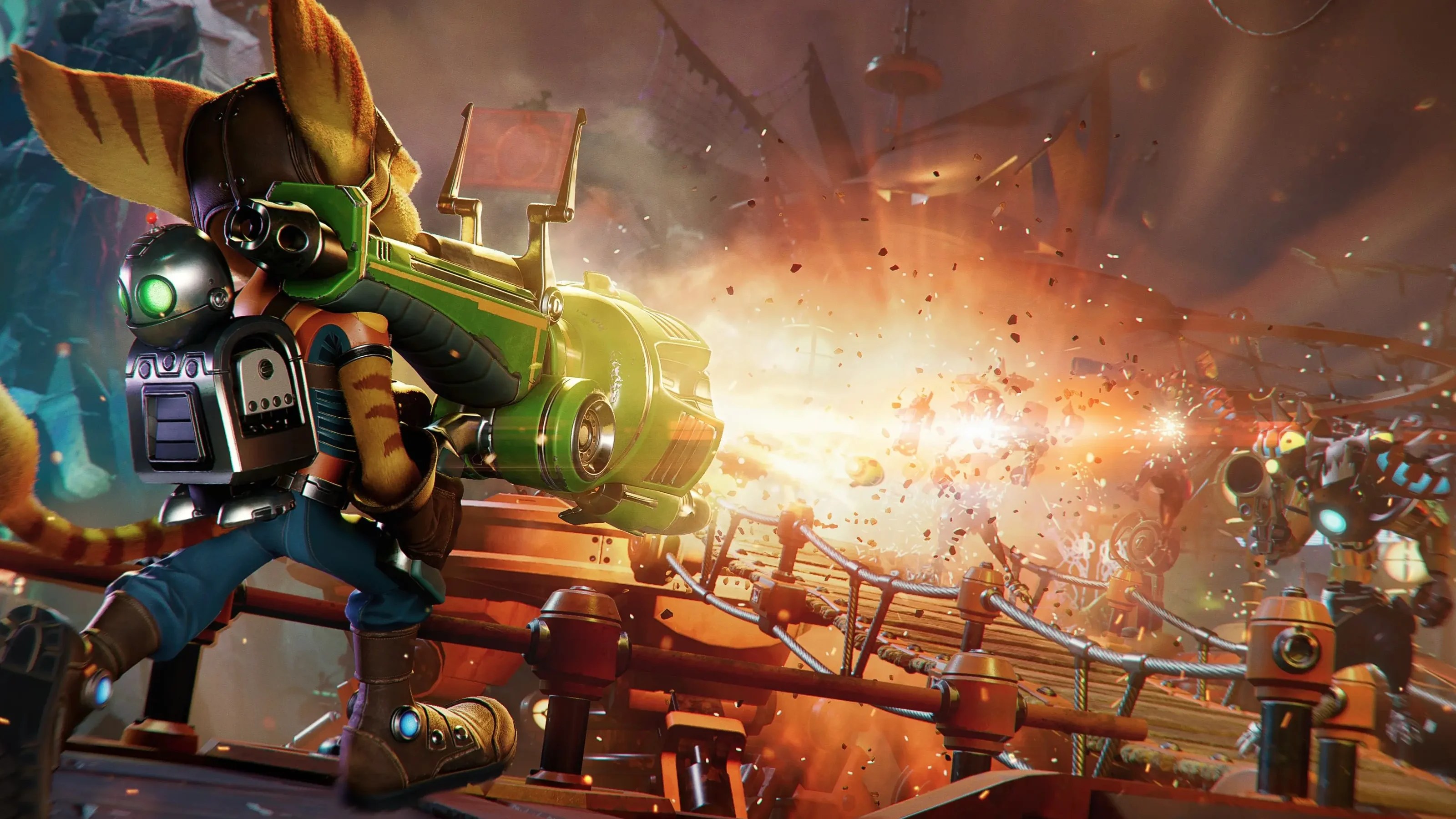
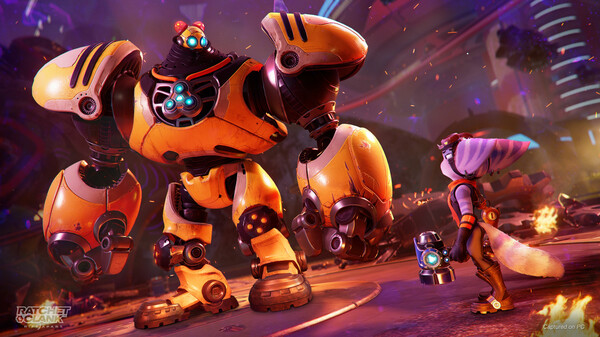
    At its core, Rift Apart sticks to the classic formula: explore a planet, shoot enemies, and upgrade weapons. The dimension-hopping gimmick is neat, though not groundbreaking. Gameplay isn’t particularly difficult and offers a fair challenge.

    Image Credit: Steam Store Page

    That said, gameplay variety runs thin after a while. Enemy encounters start to feel repetitive, and outside of some challenge modes and rift mechanics, there isn’t much else to do once the story is over.


    🎵 Music, Art, and Atmosphere

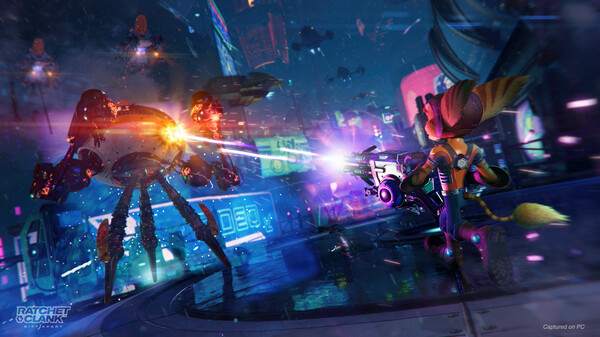
    Visually, this game is stunning. Rift Apart was originally one of the first PS5 showcases, and even on PC it still feels like a technical demo meant to impress. The worlds pop with color, character animations are full of life, and the sheer spectacle of rift transitions makes everything feel smooth and flashy.

    But beneath the gloss, I ran into several bugs and glitches, particularly with the PC port settings. The game looks amazing, but performance issues and technical hiccups drag down what should have been a flawless presentation.


    ✍️ Story & Dialogue

    Story-wise, Rift Apart has its heart in the right place: Ratchet wrestles with being the last of his species, Clank plays supportive buddy, and Rivet—the new Lombax—joins the team as a refreshing addition. The setup is good, but the humor falls flat more often than not. Compared to something like Psychonauts 2 (which I consider a peer in the same genre), Rift Apart’s comedy just doesn’t land as hard.

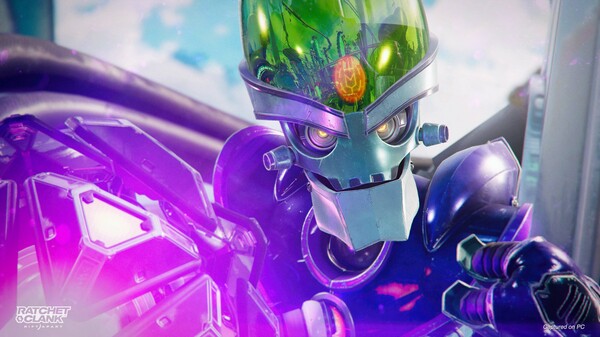
    The villain? A squidward-lookalike robot doctor with delusions of grandeur. Fun at first, but not particularly memorable.


    🎮 Combat & Difficulty

    Combat is flashy and enjoyable, but it doesn’t evolve much beyond the outrageous weapon sandbox. For a while, the sheer variety of weapons keeps things exciting—but eventually, it starts feeling shallow. The difficulty curve is mild, making it accessible but not particularly rewarding for players craving a challenge.


    📝 Category Breakdown

    • Gameplay: 7/10 — Fun but repetitive, carried by weapons and visuals.
    • Story: 6/10 — Decent setup but weak humor and predictable villain.
    • Combat: 7/10 — Flashy arsenal, but lacks real depth.
    • Graphics & Tech: 9/10 — Gorgeous visuals, but buggy PC port.

    ✅ Final Verdict

    Rift Apart is good, but not great. It plays like a polished tech demo with flashy visuals and fun mechanics, but lacks the heart, humor, and variety of the best Ratchet & Clank titles. As someone who’s played all of them, I still enjoyed the ride—it’s more of the same fun style I know and love—but I expected more.

    Would I recommend it? Yes, but only on a deep discount. Otherwise, you’re paying full price for something that doesn’t quite deliver the knockout punch it promises.


    🔥 Clay’s Take

    This game is like a flashy rollercoaster—you’ll have fun on the ride, but once it ends, you realize there wasn’t much substance. I laughed hardest when the Big Head cheat turned every emotional cutscene into a meme. It’s enjoyable, sure, but definitely not top-tier Ratchet & Clank.

    Final Score: ★★★☆☆ (7/10)
    Recommendation: Play it if you’re a fan of the series or can snag it cheap.


  • Image Credit: Steam Store Page

    Playtime: ~6 hours (Chapter 1 finished)
    Completion: Early Access – Chapter 1 Finished
    Platform: PC
    Played / Reviewed: 2025
    Genre: First-Person, Puzzle, Metroidvania
    Final Score: 8.5/10


    🧠 First Impressions

    SupraWorld doesn’t waste your time. From the moment you step into its interconnected world as an apprentice Solver, it’s clear this is no ordinary adventure. Puzzle storms threaten civilization, and your final exam is saving the princess—classic setup with a genius twist. Right away, the game tells you: you’re trusted to figure this out yourself.


    ⚙️ Gameplay & Progression

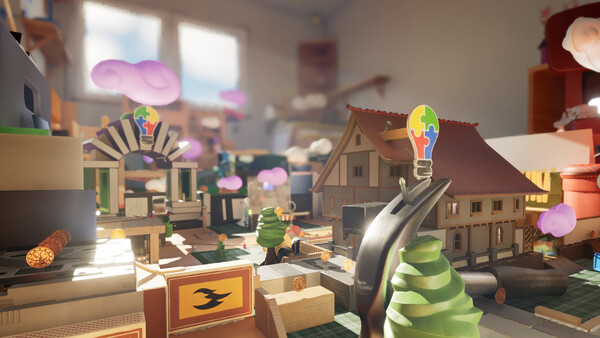
    Exploration is the heart of SupraWorld. Instead of empty space and filler, the world is densely packed with secrets. If you can see it, you can probably reach it. Every ledge, every platform, every odd corner is there with purpose.

    Image Credit: Steam Store Page

    Progression feels incredible—starting out weak and slowly becoming a master Solver by uncovering upgrades, abilities, and gear. Items aren’t just weapons; they’re multi-purpose tools for traversal, combat, and puzzles. Even something as dumb as a broken toothpick feels ingenious once you realize how versatile it is.


    🧩 Puzzles, Secrets & Detective Cases

    The puzzles are challenging but fair, scratching that “I’m smart” itch without holding your hand. SupraWorld rewards curiosity and attention to detail—finding secrets feels earned, not handed out.

    What’s impressive is how the developers have learned from Supraland and Supraland: Six Inches Under. Those games, as brilliant as they were, had puzzles that could often be bypassed with clever exploits. In SupraWorld, the devs anticipated this and doubled down on designing airtight puzzles. You have to solve them as intended—no shortcuts. In fact, they’re still patching out exploit solutions as you read this, making sure the challenge stays pure and intentional.

    And here’s the kicker: even though the game is in Early Access, Chapter 1 alone offers 4–6 explorable areas and 10–15 puzzles per area, all capped off with saving the princess. That’s a meaty chunk of content already, and it’s only the beginning. It’s easy to imagine just how massive and intricate the game will become once the full version releases.


    ⚔️ Combat & Difficulty

    Combat is less emphasized here compared to exploration and puzzles, but it’s still clever. Sometimes fights themselves are puzzles, forcing you to think instead of just spam attacks. It’s never the main course, but as a side dish, it complements the gameplay well.


    🎵 Music, Humor & Atmosphere

    SupraWorld oozes charm. The writing is hilarious with witty gags scattered everywhere, making even mundane moments fun. And the world design leans into minimalism—no wasted geometry, no useless clutter, just functional beauty.

    The music and art direction help tie it all together, building a world that feels alive and worth exploring.


    📝 Category Breakdown

    • Gameplay: 8/10 – Sometimes tough early on, but progression feels phenomenal.
    • Story: 8/10 – Engaging enough, though the puzzles and exploration easily overshadow it.
    • Combat: 10/10 – Souls-like puzzle combat in miniature form, creative and satisfying.

    ✅ Final Verdict

    SupraWorld is pure joy for players who crave challenge, exploration, and clever design. It’s a first-person puzzle Metroidvania that doesn’t hold your hand and makes you feel like a gamer again. Every item, every ledge, every gag—it all fits together in a genius package.

    If you loved Supraland, this is an instant recommendation. And with only Chapter 1 available right now, the thought of what’s to come makes this already great game feel like just the beginning.


    🔥 Clay’s Take

    This game made me feel like a kid again, solving puzzles and platforming with a big grin on my face. It’s hilarious, rewarding, and ridiculously well-designed. For me, it’s an easy

    Final Score 8.5/10.

    Recommendation: Must-play for puzzle fans and Supraland veterans.


  • Image Credit: Steam Store Page

    Playtime: ~5 hours
    Completion: Finished main unlocks
    Platform: PC
    Genre: Clicker / Puzzle / Casual
    Played: August 2025
    Final Score: 8/10


    🧠 First Impressions

    A white room. A button. That’s all you get when you start. Click to Continue doesn’t bother with a tutorial or flashy intro — it throws you straight into existential button-pushing. And honestly? It works. The game is oddly hypnotic, peeling back new layers each time you press. What begins as a joke becomes strangely compelling.


    ⚙️ Gameplay & Progression

    The hook here is simple: press the button, watch numbers go down (yes, it’s a decremental, not incremental), and unlock panels. Behind those panels? Upgrades, secrets, nonsense, and the occasional “what am I even doing with my life?” moment.

    Image Credit: In-game by Clay

    It’s not meant to be hard. Instead, it’s meant to surprise you — and it does. The terminal hacking sections can feel confusing at first, but patience pays off. The pacing is light and accessible, making it perfect for casual sessions or background gaming.


    🎵 Music, Art, and Atmosphere

    The minimalist white-room aesthetic nails the surreal vibe. It feels sterile but oddly comforting, like you’re part of some psychological experiment. Seth_Makes_Songs provides the soundtrack, which adds a playful absurdity and balances the otherwise empty atmosphere.


    📝 Category Breakdown

    • Gameplay: 7.5/10 – Simple, quirky, but occasionally dragged down by the hacking confusion.
    • Presentation: 8/10 – Minimal but purposeful. The sterile white aesthetic sells the concept.
    • Replayability: 6/10 – Once you’ve seen the tricks, the novelty fades, but worth it for the first run.
    • Value: 9/10 – At $5, it’s a neat little oddity that delivers exactly what it promises.

    ✅ Final Verdict

    Click to Continue is weird, funny, and surprisingly self-aware. It doesn’t reinvent the clicker genre, but it pokes at it in clever ways, asking whether you’re playing to “win” or just because you can’t stop pressing the button.


    🔥 Clay’s Take

    I had more fun with this than expected. The absurdity reminded me of The Stanley Parable, but in clicker form. It’s not deep, but it doesn’t have to be — it knows exactly what it is. If you enjoy quirky little experiments that make you question why you’re even playing, you’ll get a kick out of it.

    Final Score: 8/10


  • Image Credit: Steam Store Page

    Playtime: 50 hours (Story around 20-25 Hours without post game)
    Completion: Story Finished
    Platform: Steam
    Genre: Life Sim / RPG / Adventure
    Played: 2025 / Reviewed: 2025
    Final Score: ★★★☆☆ (6.5/10)


    🧠 First Impressions

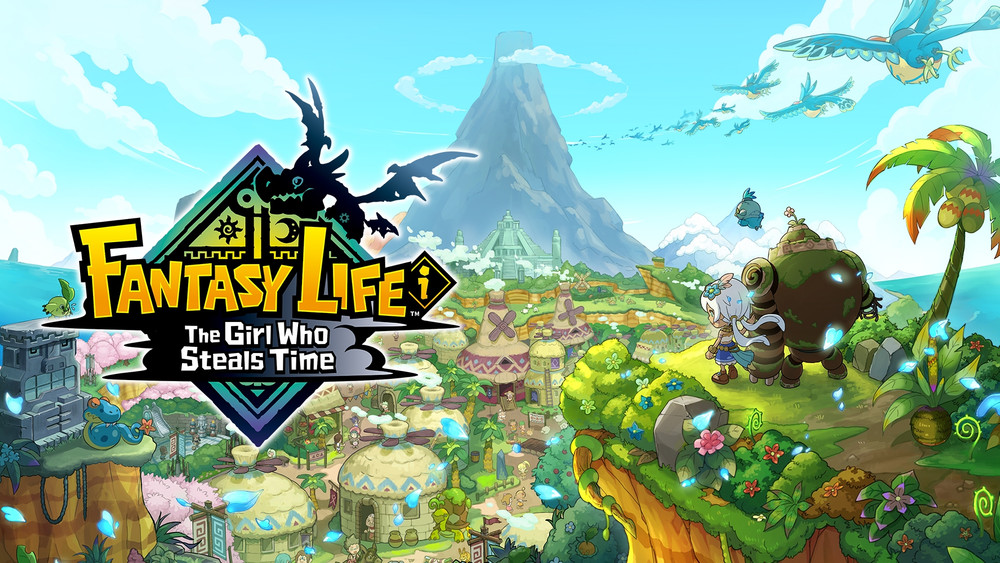
    Fantasy Life i immediately hooked me with its charming visuals and nostalgia factor. As someone who loved Maplestory 2, this game scratched a very similar itch — colorful worlds, relaxing but engaging gameplay, and a wide variety of activities. The first 40–50 hours, especially the story-focused portion, felt like an absolute treat. Combat is fluid, the “Life” job system is fun to explore, and the sheer amount of customization kept me playing.

    But… the longer I played past the main story, the more the cracks started to show.


    ⚙️ Gameplay & Progression

    This is a cozy RPG with crafting, combat, gathering, and exploration all blended together. But while it nails that variety in the early game, the end-game grind is where the fun begins to fade.

    • The Good:
      • Fun, fluid combat
      • Diverse “Life” classes to try
      • Charming, colorful art and atmosphere

    Image Credit: In game

    • The Frustrating:
      • Overly grindy rank-up system in Ginormosia (150,000 points per area!)
      • RNG-heavy Treasure Groves with repetitive, low-value loot
      • Buddy upgrades tied to random chance instead of player choice

    The lack of meaningful challenge is another sticking point — dying has virtually no penalty, which makes the grind feel even less rewarding.


    🌍 World & Multiplayer Potential

    The single-player charm is undeniable, but the multiplayer system is dated and clunky. Instead of a seamless shared world like Sky: Children of the Light or a Skyblock-style MMO hub, multiplayer is just… joining random lobbies. This means you might accidentally walk into a group of friends mid-session and feel like an intruder.

    A more open, persistent multiplayer world with player interaction hubs could completely change the long-term replayability.


    🎵 Music, Art, and Atmosphere

    This is where Fantasy Life i shines — vibrant environments, relaxing music, and a tone that makes you want to keep playing “just one more quest.” It’s exactly the kind of cozy escapism I wanted from a life sim RPG.


    📝 Category Breakdown

    🎮 Gameplay: 7/10 – Fun, but loses steam in the grind phase
    🧠 Difficulty: 5/10 – Too forgiving, no real sense of challenge
    📖 Story: 7/10 – Enjoyable, but overshadowed by side content
    🎵 Music: 8/10 – Fits the mood perfectly
    🌍 Multiplayer: 5/10 – Needs a total rework


    ✅ Final Verdict

    Fantasy Life i is a charming time sink with strong early-game content but frustratingly repetitive end-game systems. It’s worth playing for the story and early grind, but I sincerely hope the developers address the multiplayer design and late-game grind before players burn out.


    🔥 Clay’s Take

    “If you loved Maplestory 2 like I did, this is the closest you’ll get — for better and for worse. The core is great, the grind is not. Still, I can’t deny it stole MY time.”

    Final Score: ★★★☆☆ (6.5/10)
    Recommended? Yes — but only if you’re okay with a lot of grind after the main story.


  • Image Credit: Steam Store Page

    Playtime: 21 hours
    Completion: Story finished
    Platform: Steam
    Genre: 2D Action RPG / Soulslike / Gothic-Inspired
    Played: 2025
    Final Score: ★★★★★ (9/10)


    🧠 First Impressions

    Drova: Forsaken Kin grabbed me from the very first hour and never let go. If I had to sum it up, it’s like 2D Gothic with a souls-like twist. Every step into its dark, mysterious world made me want to explore just one more area, fight one more enemy, or uncover one more secret. It’s rare to find an action RPG this tight, atmospheric, and rewarding.


    ⚙️ Gameplay & Progression

    Progression here is near flawless. You start as a fragile, under-equipped nobody — and through exploration, questing, and persistence, you slowly turn into a powerhouse. The world map isn’t huge, but it’s dense, with almost zero wasted space. Secrets are everywhere, and each discovery feels earned.

    Image Credit: Steam Store Page

    Quality-of-life choices like unlimited inventory and no item durability make exploration stress-free. You can just collect everything without worrying about micromanaging gear. The variety of enemies keeps combat fresh, and the quest design makes every detour feel worthwhile.


    ⚔️ Combat & Challenge

    Combat is challenging without feeling unfair — at least for most of the game. Early on, it demands patience, weapon mastery, and learning enemy patterns. Later, after you’ve built your kit, there’s a satisfying power spike where you absolutely dominate (especially in the last 10%).

    It plays like a blend of Soulslike precision with the strategic feel of Baldur’s Gate. Boss fights are intense, regular encounters are engaging, and the weapons feel weighty and impactful.


    ✍️ Story & Dialogue

    The story starts strong and has its moments of emotional weight, with some surprisingly sad beats. However, after a while, I found myself more absorbed in side quests than the main plot. The “collect X items to escape” premise didn’t hold my interest as much as the world-building and exploration did.

    Voiceovers — at least for main missions — could have elevated the emotional impact. Still, the narrative works well enough as a backbone for the incredible gameplay.


    🎵 Music, Art, and Atmosphere

    Dark, moody, and dripping with atmosphere. The art style complements the game’s tone perfectly, and the soundtrack reinforces the oppressive yet compelling vibe of the world. It’s a place you want to explore, even when it’s trying to kill you.


    📝 Category Breakdown

    🎮 Gameplay: 8/10 – Rewarding progression, smart design
    ⚔️ Combat: 10/10 – Soulslike precision meets ARPG variety
    📖 Story: 8/10 – Strong start, could use more hooks later
    🎵 Music/Art: 9/10 – Atmospheric excellence
    🧾 Overall: 9/10


    ✅ Final Verdict

    Drova: Forsaken Kin is one of the best games I’ve played in years. Dense, rewarding, and brimming with secrets, it nails the balance between challenge and reward. While the main story didn’t completely captivate me, the world design and progression more than made up for it.


    🔥 Clay’s Take

    “This is what every small-scale action RPG should aspire to be: dense, rewarding, and addictive. Even when I wasn’t playing, I was thinking about my next run. Near-perfect.”

    Final Score: ★★★★★ (9/10)
    Recommended? Absolutely — especially for fans of Gothic-style exploration and challenging combat.


  • Image Credit: Steam Store page

    Playtime: ~3–4 hours
    Completion: Finished main story
    Platform: Steam
    Genre: Puzzle / Horror / Escape Room
    Played: 2025 | Reviewed: 2025
    Final Score: ★★★☆☆ (6.5/10)


    🧠 First Impressions

    Mindlock – The Apartment is a beautifully crafted, emotionally resonant game that surprised me in the best way. I went in expecting a straightforward escape-room horror title, but what I got was something that mirrored my own stage in life — exploring themes like self-doubt and introspection in a way that felt genuine.

    It’s a bleak story, but never hopeless. The tone is steeped in dark, self-deprecating humor (definitely not for everyone), yet it manages to remain meaningful. I found myself playing it casually over a few days in bits and pieces, only to realize I couldn’t put it down and ended up finishing it much faster than I expected.


    ⚙️ Gameplay & Puzzles

    The game is linear in a comfortable way, guiding you from one puzzle to the next without unnecessary filler. The puzzles themselves make sense and strike a good balance — never too easy, never frustrating. They’re integrated naturally into the environment, and solving them feels rewarding without breaking immersion.

    The controls take a little getting used to, but since 3 out of 4 functions work with just the mouse, it’s simple enough once you get the hang of it.


    🎭 Atmosphere & Presentation

    Visually, Mindlock leans into a gritty yet artistic style that suits its themes perfectly. The artwork and music elevate the entire experience, giving it a distinct personality that lingers after you’ve finished.

    The sound design, while understated, complements the mood beautifully — eerie when it needs to be, quiet and contemplative when it counts.


    📖 Story & Themes

    What really sets Mindlock apart is its psychological narrative. I didn’t expect it to go in such a personal, introspective direction, but it was a pleasant surprise. It’s not the type of game I’d play after a long day at the office to “switch off” — but as a weekend journey that makes you reflect and appreciate not having to go back to work the next morning? Perfect.


    ✅ Final Verdict

    Mindlock – The Apartment isn’t just a game — it’s an experience. If you enjoy puzzle-driven adventures with a touch of psychological depth and a streak of dark humor, it’s absolutely worth a weekend playthrough.


    🔥 Clay’s Take

    “A bleak but oddly comforting weekend escape. The puzzles, story, and presentation work together beautifully — just be ready for some introspection along the way.”

    Final Score: ★★★☆☆ (6.5/10)
    Recommended? Yes — especially for fans of narrative-heavy puzzle games with a darker edge.


  • Image Credit: Steam Store

    Playtime: ~40 minutes
    Completion: Demo completed
    Platform: PC (Steam)
    Genre: Horror / Puzzle / Arcade
    Played/Reviewed: 2025


    🧠 First Impressions

    Pool of Madness takes the simple game of pool and twists it into something sinister. You’re stuck in a repeating loop of rituals, each one becoming more unsettling and demanding than the last. The concept is immediately intriguing — what starts as a basic round of pocketing green balls quickly turns into a tense, sanity-draining challenge.


    ⚙️ Gameplay & Mechanics

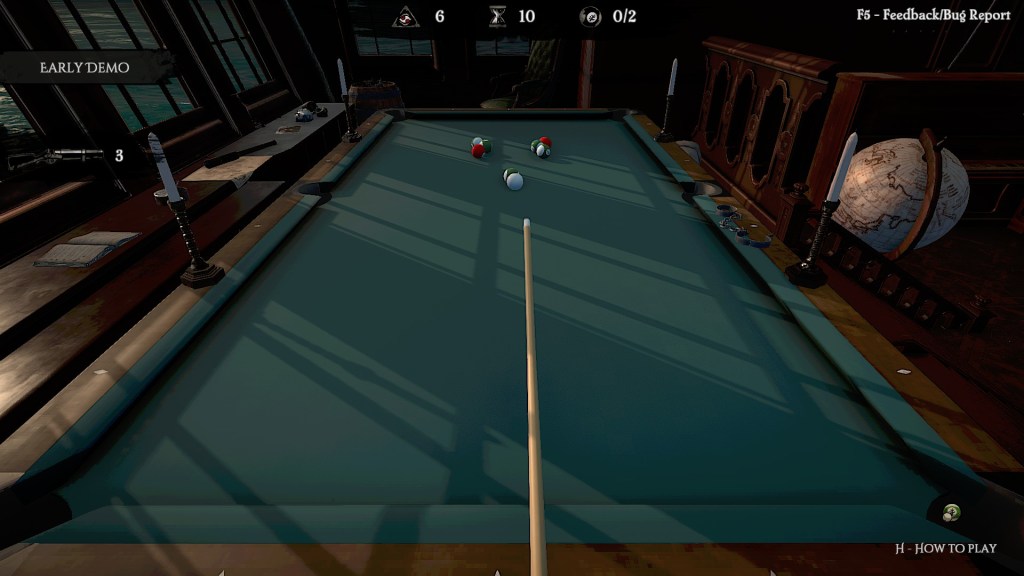
    The demo introduces its core rules with deceptive simplicity:

    • Safe green balls restore progress toward completing the ritual.
    • Dangerous red and black balls drain your sanity or reduce your turns left.
    • The white cue ball is your lifeline to sink the right shots and avoid disaster.

    The first ritual eases you in with small requirements (1, 2, 3, then 4 greens), but later rituals start adding twists — such as introducing the black ball as part of the challenge or obstacles appearing due to the game’s twisted nature.

    Image Credit: In-game image by me

    There’s even a gun mechanic, allowing you to destroy obstacles that might block your shots. It’s a strange but satisfying mix of precision, strategy, and survival.


    🎵 Atmosphere & Presentation

    The tone is pure Lovecraftian dread. The music is eerie and unsettling, perfectly matching the slow descent into madness as you progress. The environment shifts subtly between rituals, warping and changing to reflect the growing influence of whatever cosmic horror is lurking behind the table.


    🔥 Clay’s Take — Will I Play the Full Game?

    Absolutely. This is more than just “pool with a twist” — it’s a smart, unsettling blend of horror atmosphere and arcade mechanics. The sanity system, shifting environments, and creeping difficulty give it a unique identity I haven’t seen elsewhere.

    If the full version expands on these ideas and leans even harder into its Lovecraftian inspirations, Pool of Madness could become something truly special. The demo is well worth a try — but don’t read too much, just experience it for yourself.